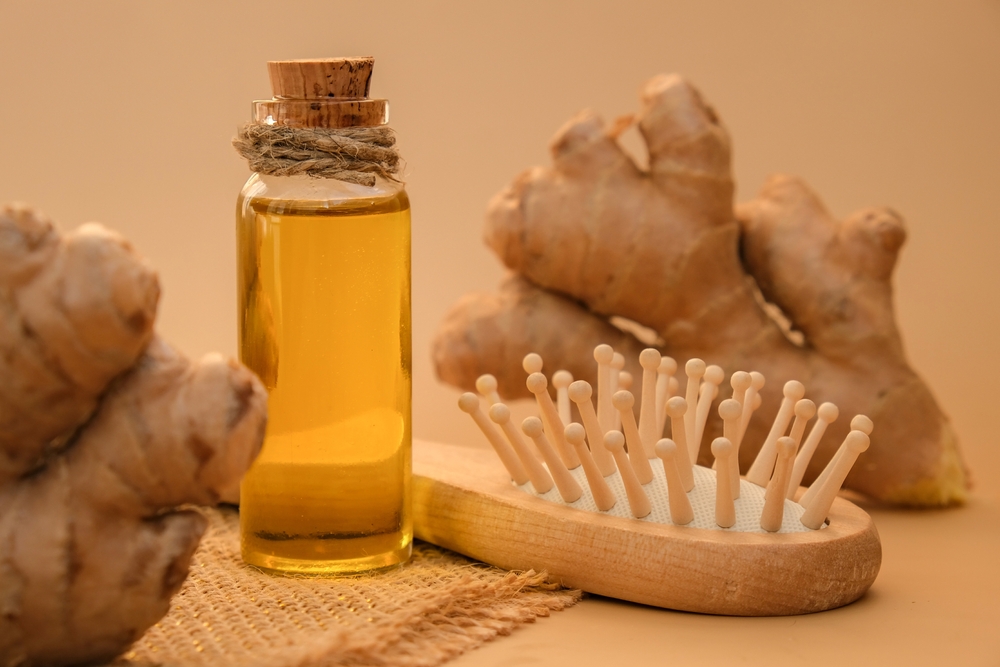
Ginger oil has no scientific evidence supporting weight loss—zero clinical studies show that applying it topically or using it in aromatherapy helps you lose fat.
The confusion comes from legitimate research on consuming ginger (as fresh root, powder, tea, or supplements), which does show modest weight management benefits, but marketers have wrongly applied these findings to essential oil products.
Keep reading to understand exactly what works, what doesn't, and how to actually use ginger effectively if you're looking for metabolic support.
The Critical Distinction: Ginger Oil vs. Ginger Consumption
Here's what you need to understand first: ginger essential oil and consuming ginger are completely different things when it comes to weight loss.
One has zero scientific backing, while the other shows modest but measurable results in clinical trials.
No studies exist—not a single one—demonstrating that topical application of ginger oil or aromatherapy with ginger essential oil contributes to fat reduction.
Nutrition experts, dietitians, and researchers from major research hospitals confirm this across the board.
The evidence simply isn't there for topical use, whether you're talking about human studies or even animal models.
So where does all the marketing hype come from?
Essential oil companies have taken legitimate research on ginger consumption and twisted it to sell their products.
When you see studies showing ginger helps with weight management, those researchers tested people who ate fresh ginger, drank ginger tea, or took ginger supplements.
Nobody was rubbing oil on their stomach or inhaling it from a diffuser.
Common marketing myths you'll encounter:
- “Belly Drainage Ginger Oil” products that claim to melt fat through topical application
- The Pechoti method, which suggests applying oils to your belly button for absorption
- Lymphatic drainage oils marketed as fat-burning solutions
- Aromatherapy blends advertised to boost metabolism
The Pechoti method deserves special mention because it sounds scientific but isn't.
Rooted in Ayurvedic tradition, it claims a “Pechoti gland” in your navel absorbs substances into your bloodstream.
Modern medicine has confirmed no such gland exists, and your belly button cannot absorb oils in any meaningful way.
The lymphatic drainage angle is equally misleading.
Unless you have lymphedema or another diagnosed condition, you don't have accumulated lymph sitting around waiting to be drained.
Even if you did, legitimate lymphatic massage doesn't cause fat loss—it moves fluid, not adipose tissue.
Here's the fundamental problem: topical applications cannot trigger the metabolic processes your body needs for fat burning.
Weight loss requires creating a caloric deficit through what you eat and how you move.
Rubbing oil on your skin, regardless of what's in that oil, doesn't activate thermogenesis, doesn't improve insulin sensitivity, and doesn't suppress your appetite.
External applications simply don't work that way.
What the Research Shows About Consuming Ginger
When you actually consume ginger—rather than apply it topically—the evidence tells a different story.
A comprehensive meta-analysis examined 27 randomized controlled trials involving 1,309 participants, and the results showed measurable changes across multiple metrics.
Average outcomes after ginger consumption:
- Body weight decreased by 1.52 kg
- BMI dropped by 0.58 kg/m²
- Waist circumference reduced by 1.04 cm
- Body fat percentage decreased by 0.87%
These numbers represent what happened when participants consumed ginger consistently over treatment periods, typically combined with standard diet and exercise approaches.
Another systematic review from 2019 looked at 14 clinical trials and found similar patterns: body weight went down, waist-to-hip ratios improved, and insulin resistance decreased.
Participants also saw increases in HDL cholesterol—the beneficial kind that protects heart health.
Three specific compounds drive these effects.
Gingerol is the primary active component in fresh ginger root, giving it that distinctive spicy kick.
Shogaol becomes concentrated when you dry ginger, which is why dried ginger powder has a sharper, more intense flavor.
Zingerone appears in both forms and contributes to the overall metabolic impact.
The form you choose matters for compound concentration.
Fresh ginger delivers more gingerol, while dried ginger powder gives you higher shogaol levels.
Both work, but they deliver slightly different ratios of active ingredients.
Here's what every single one of these studies had in common: participants ate ginger, drank it, or took it as oral supplements.
Not one study involved rubbing ginger oil on skin, applying it to the belly button, or using aromatherapy diffusers.
The bioactive compounds need to enter your digestive system to interact with your metabolism, influence hormone levels, and affect how your body processes and stores energy.
How Ginger Actually Supports Weight Management
Understanding the mechanisms helps you see why consuming ginger differs completely from topical application.
These compounds work through specific biological pathways once they enter your digestive system.
Increased heat production and calorie burning
Gingerol activates TRPV1 receptors in your body—the same receptors that respond to capsaicin in hot peppers.
This activation triggers thermogenesis, which is essentially your body producing heat and burning more calories in the process.
Research shows you can increase your energy expenditure by 43 to 95 kilocalories per day within four hours of consuming ginger.
That's roughly a 5% boost in calorie burning, which translates to about one-third of what you'd burn off from eating a banana.
Fat cell transformation
Your body stores two types of fat.
White adipose tissue sits around waiting to be used for energy—this is what most people think of as “stored fat.”
Brown adipose tissue actively burns calories to generate heat.
Gingerol and shogaol can actually stimulate the conversion of white fat into brown fat through specific genetic pathways, including UCP1, PGC-1α, and PRDM16.
When these pathways activate, your fat cells shift from storage mode to burning mode, making them metabolically active rather than dormant.
Better blood sugar control
Ginger improves how your muscle cells take up glucose and respond to insulin.
When your insulin sensitivity improves, your blood sugar stays more stable throughout the day.
This matters for weight management because insulin spikes signal your body to store fat.
Clinical trials demonstrate that fasting glucose levels dropped significantly when participants took ginger supplements, which helps prevent the blood sugar rollercoaster that often leads to cravings and overeating.
Appetite regulation happens through multiple channels.
Ginger slows down how quickly your stomach empties after a meal, creating longer-lasting feelings of fullness. It also influences ghrelin and leptin—the hormones that control hunger and satiety signals.
One study found that just 2 grams of ginger powder mixed into hot water reduced hunger and enhanced how satisfied people felt after eating.
Reduced inflammation
Chronic inflammation interferes with your metabolism and makes weight gain more likely.
The bioactive compounds in ginger reduce inflammatory markers throughout your body, which indirectly supports weight management by letting your metabolism function properly.
While this isn't a direct fat-burning effect, it removes obstacles that can make losing weight harder.
Practical Ways to Use Ginger for Weight Support
If you want to try ginger for metabolic support, dosage and consistency matter more than most people realize.
Here's what actually works based on the research.
How much you need:
- 2 grams per day shows up consistently as the optimal dose across studies
- This equals approximately one teaspoon of freshly grated ginger
- You need patience—measurable effects require longer than 8 weeks
- Optimal results typically appear around 12 weeks of consistent daily use
Preparation methods that preserve active compounds:
- Ginger tea: Simmer 20-30 grams of fresh sliced ginger in one liter of water for 10-15 minutes, then let it cool to warm (not boiling hot, which degrades gingerol by 30-40%)
- Ginger water: Steep sliced ginger in water without prolonged heating to preserve more active compounds—drink 2-3 glasses daily, especially 30 minutes before meals
- Fresh ginger root: Grate it into smoothies, salad dressings, stir-fries, or fresh juices for the highest concentration of bioactive compounds
- Supplements: Look for products standardized to 4-10% gingerol content and take them with food to minimize potential stomach irritation
Combinations that amplify effects:
- Ginger + lemon: Vitamin C supports fat metabolism while lemon adds mild appetite suppression and extra antioxidants
- Ginger + apple cider vinegar: Combines ginger's metabolic boost with ACV's blood sugar stabilization (add vinegar only after your tea cools—hot water destroys the beneficial bacteria)
- Ginger + green tea: Doubles the thermogenic effect since both ingredients independently increase calorie burning
When to consume for maximum benefit:
- Morning on an empty stomach: Activates digestive enzymes and jumpstarts your metabolism, though you should eat something first if you have a sensitive stomach
- 30-45 minutes before meals: Maximizes appetite suppression and improves digestion of your upcoming meal
- After workouts: Takes advantage of your already-elevated metabolic rate while supporting recovery
Safety Considerations and Who Should Be Cautious
Ginger is generally recognized as safe when consumed in reasonable amounts, but several situations require caution or medical consultation.
Potential side effects at higher doses:
- Digestive discomfort including heartburn, gas, indigestion, or constipation typically appears when you exceed 5 grams daily
- Essential oils deserve special warning—internal consumption causes severe stomach irritation even in small amounts, so never ingest ginger essential oil
- Increased bile production means people with gallbladder disease or gallstones should avoid ginger supplementation entirely
Drug interactions you need to know:
Ginger exhibits blood-thinning properties that can interact with anticoagulant medications like warfarin. If you take blood thinners, consultation with your healthcare provider isn't optional—it's necessary before adding ginger supplements to your routine.
Blood sugar effects matter for anyone taking diabetes medications. Since ginger influences glucose levels, you might need dosage adjustments under medical supervision. The same goes for blood pressure medications, as ginger affects circulation and blood pressure regulation.
Special populations requiring extra caution:
- Pregnant women: Consult your healthcare provider before taking ginger supplements, though small amounts in food are generally considered safe (ginger is sometimes recommended for pregnancy-related nausea under medical guidance)
- Breastfeeding mothers: Seek professional advice before supplementation to ensure safety for your baby
- Individuals with bleeding disorders: Avoid ginger due to its anticoagulant properties, which can worsen bleeding issues
The concentrated nature of supplements means they carry more risk than culinary amounts of fresh ginger. If you're managing any chronic health condition or taking medications regularly, get medical clearance before starting ginger supplementation.
Realistic Expectations and the Bottom Line
Let's be clear about what the evidence actually supports.
Ginger oil specifically has zero scientific backing for weight loss—topical applications, aromatherapy, and belly button massage don't work.
Consuming ginger in food, tea, water, or supplement form does show modest, scientifically-documented support for weight management, but the keyword here is “modest.”
Research participants who consumed ginger lost an average of 0.5 to 1.2 kg more than control groups over 12-week periods.
That's about 1 to 2.5 pounds extra when combined with standard diet and exercise interventions.
The thermogenic effect, while measurable, equals roughly one-third of a banana's caloric burn—meaningful in aggregate over months, but not dramatic on any given day.
Where ginger actually helps:
- Improved insulin sensitivity that stabilizes blood sugar
- Reduced inflammation that interferes with metabolic function
- Enhanced digestion and nutrient absorption
- Modest appetite suppression that makes portion control easier
These benefits don't replace healthy lifestyle changes—they make those changes easier to sustain.
Think of ginger as removing friction from the weight management process rather than doing the heavy lifting itself.
You still need to maintain a caloric deficit through balanced nutrition and regular physical activity.
Ginger just helps your body respond better to those efforts.
Getting results requires appropriate dosing (2 grams daily), sufficient duration (at least 8 weeks, ideally 12), and integration into an overall healthy lifestyle.
This isn't a standalone solution or miracle product you can use to bypass fundamental changes to how you eat and move.
Consult your healthcare provider before starting supplementation, especially if you're taking medications or managing chronic health conditions.
Ginger interacts with blood thinners, diabetes medications, and blood pressure drugs—situations where professional guidance isn't optional.
The evidence supports ginger as a helpful addition to comprehensive weight management efforts.
Just don't expect it to replace the work you need to put in yourself.
Conclusion
Ginger oil won't help you lose weight, but consuming ginger in food, tea, or supplements does offer modest metabolic support backed by clinical research.
The effects are real but small—you're looking at slightly better blood sugar control, reduced inflammation, and mild appetite suppression that makes healthy habits easier to maintain.
Treat ginger as one tool in your overall strategy, not a replacement for the fundamentals of balanced eating and regular movement.