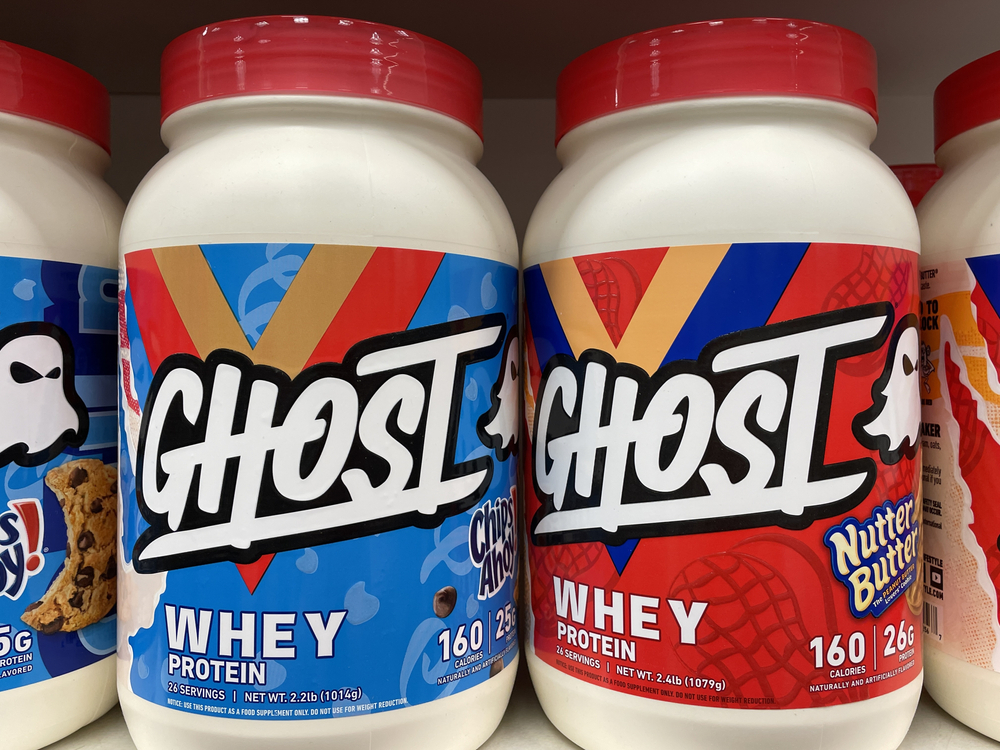
Ghost protein can help you lose weight thanks to its high protein content and low-calorie profile, but there's a catch: the artificial sweetener sucralose may actually increase your appetite and sabotage your results.
Whether it works for you depends on how you use it and how your body responds to artificial sweeteners.
Keep reading to understand exactly when Ghost protein supports weight loss, when it works against you, and what you should do to get the best results.
What Makes Ghost Protein Different (And Does It Matter for Weight Loss?)
Ghost's nutritional profile looks solid on paper.
Each scoop gives you 25-26 grams of protein for just 120-150 calories, depending on which flavor you choose.
The numbers break down like this: 2-8 grams of carbs, 1-3 grams of fat, and 2-4 grams of sugar per serving.
That high protein-to-calorie ratio means you can hit your protein targets without blowing through your daily calorie budget—exactly what you need when trying to maintain a deficit.
The protein itself comes from a blend that's 90% whey isolate, combined with whey concentrate and hydrolyzed whey isolate.
This combination digests quickly, which research shows works well for weight management.
Ghost also adds digestive enzymes like proteases, bromelain, and lactase to help your body absorb the protein more efficiently and cut down on digestive discomfort.
Most competitors skip this step.
If you're following a low-carb or keto diet, Ghost fits easily into your plan.
The carb content stays low across all flavors, though you'll want to check the label since some varieties run higher than others.
Here's what Ghost doesn't include: fiber.
That matters because fiber helps you feel full and supports digestive health—two things that directly impact your ability to stick with a calorie deficit.
You're getting pure protein without the satiety boost that comes from dietary fiber.
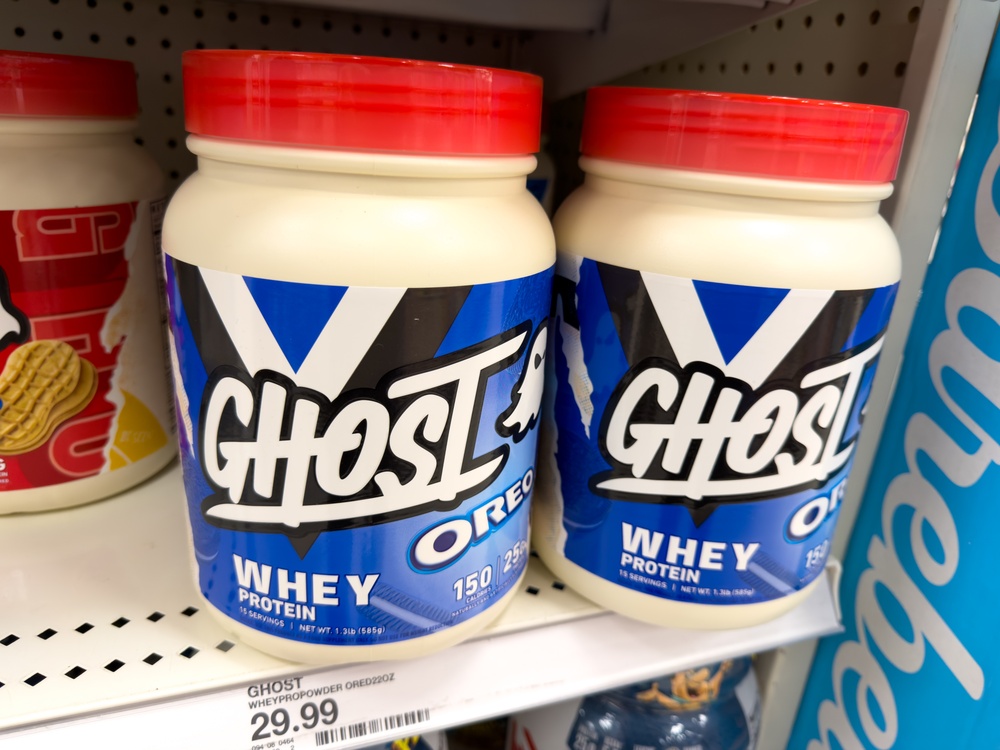
Some flavors come with cookie pieces mixed in, like the Chips Ahoy and Oreo varieties.
These add processed ingredients that reduce the overall nutritional quality.
The Cereal Milk flavor sits at 130 calories with 1.5 grams of fat and 4 grams of carbs, while Chips Ahoy jumps to 150 calories with 3 grams of fat and 7 grams of carbs.
One more thing: Ghost isn't third-party tested for purity or quality.
That means no independent lab has verified the actual protein content or checked for contaminants.
You're taking the company's word for what's in the tub.
How Whey Protein Actually Supports Fat Loss (The Science)
Whey protein affects your hunger in measurable ways.
When you consume it, your body releases more of three key satiety hormones: GLP-1, PYY, and CCK. At the same time, it suppresses ghrelin, the hormone that makes you feel hungry.
This hormonal shift directly translates to eating less throughout the day without white-knuckling your way through cravings.
A clinical trial published in Nutrition & Metabolism tracked obese subjects over 12 weeks and found that specialized whey protein supplementation increased fat loss while preserving lean muscle mass compared to control groups.
That second part matters just as much—losing weight without losing muscle keeps your metabolism running higher.
What makes whey particularly effective?
Eight specific amino acids work together to reduce hunger and increase fullness: isoleucine, leucine, lysine, methionine, phenylalanine, proline, tyrosine, and valine.
Research shows whey delivers stronger satiety effects than other protein sources, which explains why people consistently report feeling fuller after a whey shake versus other options.
Your body also burns more calories digesting protein than it does processing carbs or fats.
This higher thermic effect means a portion of the calories you consume from protein automatically gets used up during digestion.
It's not a huge amount, but it adds up when you're consuming protein consistently.
For weight loss specifically, you should aim for 1.0-1.6 grams of protein per kilogram of body weight daily.
Ghost protein makes hitting this target easier, especially if you struggle to eat enough protein from regular meals alone.
The optimal dose sits between 20-30 grams per serving.
Research shows that pushing above 20 grams doesn't significantly boost the satiety effect, though it does help you meet your daily protein requirements.
Ghost delivers 25-26 grams per scoop, which lands right in that effective range.
The Sucralose Problem: Why This Sweetener Could Sabotage Your Results
Ghost relies on sucralose to deliver its sweet taste without adding calories.
That sounds like a win for weight loss, but recent research suggests this artificial sweetener might work against you in unexpected ways.
A 2025 study from USC found that sucralose increased activity in the hypothalamus—your brain's appetite control center.
The sweetener triggered hunger feelings, with particularly strong effects in people with obesity.
This happens because your brain receives a sweet taste signal but doesn't get the calories it expects.
That mismatch can disrupt normal appetite regulation, leaving you hungrier than if you'd consumed nothing at all.
Animal studies paint a concerning picture.
Researchers observed increased body weight and fat mass in subjects consuming sucralose, apparently through enhanced energy efficiency.
Your body may compensate for the “missing” calories in ways that undermine your weight loss efforts.
The human evidence tells a muddier story.
Some randomized controlled trials show modest weight loss when people substitute sugar with artificial sweeteners.
Others show no effect, and some actually show weight gain.
The inconsistency makes it hard to predict how your body will respond.
The World Health Organization weighed in on this controversy in 2023, issuing guidance that advises against using non-sugar sweeteners for weight loss.
That's a significant position from a major health authority.
Ghost also includes natural and artificial flavors, cellulose gum, xanthan gum, and sunflower lecithin.
While these additives are generally recognized as safe, they may affect your gut microbiome composition.
Research indicates that artificial sweeteners can alter the balance of gut bacteria, potentially contributing to inflammation and metabolic disruption over time.
Your gut health influences everything from digestion to immune function to how effectively you lose weight, so these changes matter more than you might think.
How to Actually Use Ghost Protein for Weight Loss (If You Choose To)
The most common mistake people make with protein powder is adding it on top of their existing diet.
Those extra 120-150 calories per serving will slow your progress, not speed it up.
You need to use Ghost protein as a replacement for higher-calorie meals or snacks, not as a bonus.
Start by calculating your daily caloric needs.
Once you know your maintenance calories, create a deficit of 500-750 calories below that number.
This deficit should produce safe weight loss of 1-2 pounds per week.
Make sure the protein shake fits within this target—it's part of your daily budget, not separate from it.
Timing matters more than most people realize.
Consuming protein within 30 minutes after your workout supports muscle recovery and may boost satiety, helping you eat less later in the day.
Some research suggests that having protein with meals works better for weight management than drinking shakes between meals, so consider using Ghost to complement your breakfast or lunch rather than as a standalone snack.
Limit yourself to one serving daily.
This minimizes your exposure to artificial sweeteners while still giving you the protein benefits.
The rest of your protein should come from whole food sources like chicken, fish, eggs, Greek yogurt, and legumes.
These foods provide vitamins, minerals, and fiber that protein powder simply can't match.
Pay attention to how your body responds.
Track your hunger levels and cravings for the first two weeks after introducing Ghost protein.
If you notice yourself feeling hungrier or craving sweet foods more than usual, the sucralose may be working against you.
Some people tolerate artificial sweeteners fine, while others experience significant appetite disruption.
Flavor choice affects your calorie intake more than you might expect.
Cereal Milk contains 130 calories with 1.5 grams of fat and 4 grams of carbs.
Chips Ahoy jumps to 150 calories with 3 grams of fat and 7 grams of carbs.
Those differences add up when you're working with a tight calorie budget.
One final note: Ghost includes a warning label stating the product is “only intended for healthy adults” and recommends stopping if you experience adverse reactions.
That's unusual for a protein supplement and suggests potential digestive or other side effects for some users.
Better Alternatives That Support Weight Loss Without the Drawbacks
If the sucralose concerns you, look for protein powders sweetened with stevia or monk fruit instead.
Research suggests these natural sweeteners produce more favorable metabolic effects without the appetite disruption linked to artificial options.
You'll also want products with simpler ingredient lists—fewer additives typically means better outcomes for gut health and long-term weight management.
Third-party testing matters more than most people realize.
Independent labs verify the actual protein content and check for contaminants, giving you confidence that you're getting what the label promises.
Ghost doesn't offer this verification, but many competitors do.
Organic or grass-fed whey options provide a cleaner profile if you want to go a step further, though these typically cost more.
Plant-based proteins deserve consideration too.
Blends made from pea, hemp, and rice offer fiber along with their protein content, plus different amino acid profiles that may benefit your overall nutrition.
The fiber component helps with satiety in ways that pure whey protein can't match.
Here's the reality: whole food protein sources beat any powder supplement.
Chicken breast, salmon, eggs, and Greek yogurt deliver protein along with vitamins, minerals, healthy fats, and sometimes fiber.
These nutrients support your overall health and satiety in ways that go far beyond just hitting your protein numbers.
A piece of grilled salmon gives you omega-3 fatty acids for brain health and inflammation reduction.
Greek yogurt provides probiotics for gut health and calcium for bone strength.
Eggs deliver choline for cognitive function and lutein for eye health.
Protein powder gives you protein and that's it.
Treat powder as a convenient supplement for times when you can't prepare real food, not as a dietary foundation.
Your weight loss success depends on building sustainable eating patterns around whole foods, with powder filling in the gaps when life gets busy.
The Bottom Line: When Ghost Protein Works (And When It Doesn't)
Ghost protein can support your weight loss efforts thanks to its high protein content and favorable calorie-to-protein ratio.
The satiety benefits of whey protein are real and backed by solid research—those hormonal effects on hunger aren't marketing hype.
But here's where it gets complicated: the sucralose may counteract those benefits for some people.
If you're dealing with obesity or insulin resistance, you're more likely to experience the appetite-increasing effects that research has documented.
Your brain's mismatch response to artificial sweeteners could leave you hungrier and craving more food, which defeats the entire purpose.
Ghost protein works when you use it strategically.
Replace a higher-calorie breakfast or snack with the shake and you'll likely see results.
Add it on top of your existing diet and you're just consuming an extra 120-150 calories that will slow your progress.
The math is straightforward—weight loss requires a caloric deficit, and Ghost protein either helps create that deficit or prevents it depending on how you use it.
Your overall dietary pattern matters more than any single supplement.
Ghost protein won't compensate for poor food choices throughout the day, nor will it magically accelerate fat loss if your calorie balance isn't right.
It's a tool, not a solution.
Individual responses to artificial sweeteners vary dramatically.
Some people tolerate sucralose without any noticeable appetite changes.
Others experience strong hunger signals and sweet cravings that derail their diet.
Watch for these warning signs after you start using Ghost: increased hunger between meals, stronger cravings for sweets or processed foods, and digestive issues like bloating or discomfort.
If you notice any of these, the product probably isn't right for you.
Think of Ghost protein as a convenient supplement for busy days when cooking isn't an option, not as the foundation of your nutrition.
Success with weight loss requires a comprehensive approach that prioritizes whole foods, maintains a consistent caloric deficit, and fits your lifestyle long-term.
Ghost protein can fit into that picture, but only if you understand its limitations and use it within a broader strategy that accounts for your personal tolerance to artificial ingredients.
Conclusion
Ghost protein offers legitimate weight loss benefits through its high protein content and satiety effects, but the sucralose sweetener creates real concerns that could undermine your results.
If you decide to use it, treat it as a strategic meal replacement rather than an addition to your diet, and pay close attention to how your body responds in the first few weeks.
Your best bet remains building a diet around whole food protein sources, using Ghost only as a convenient backup when you need it.