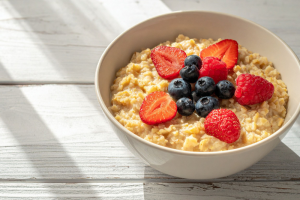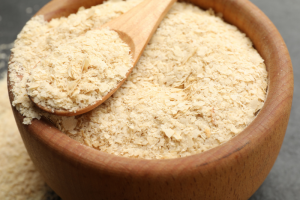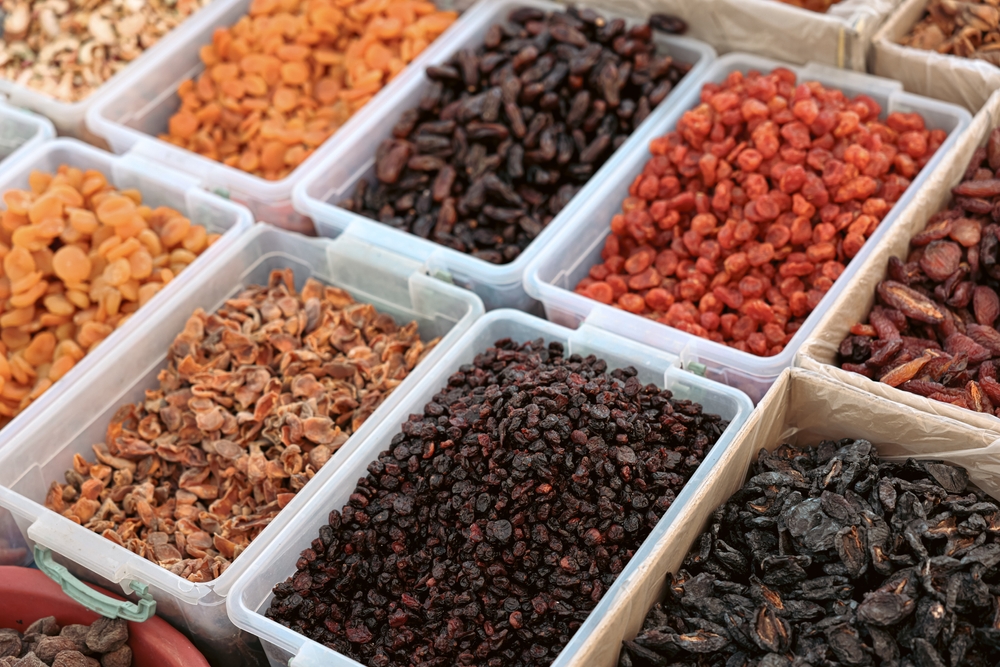
The five best dry fruits for weight loss are almonds, pistachios, walnuts, dates, and prunes—each offering unique benefits from metabolism boosting to appetite control when consumed in the right portions.
Keep reading to discover exactly how much to eat, when to eat them, and the specific preparation methods that maximize their fat-burning potential.
Why Dry Fruits Actually Support Weight Loss
Dry fruits work through multiple mechanisms that directly target weight management.
The combination of fiber, protein, and healthy fats creates prolonged satiety—you feel full longer and naturally eat less throughout the day.
Research backs this up: studies show dry fruits boost your metabolism and increase calorie burning even when you're resting, with particularly strong effects in overweight individuals.
The fiber deserves special attention.
It takes longer to digest than simple carbohydrates, which means fewer hunger pangs between meals and less temptation to overeat.
At the same time, you're getting concentrated doses of vitamins, minerals, and antioxidants that support your overall metabolic health—all without the processed sugars and unhealthy fats lurking in typical snack foods.
Here's the most important part: dry fruits work as replacement snacks, not additions.
Swap them in for your usual chips, cookies, or candy.
Adding them on top of what you already eat will just increase your total calories and sabotage your weight loss efforts.
Almonds – The Metabolism Booster That Burns More Fat
Almonds consistently rank as the top choice for weight loss, and the research explains why.
One ounce—roughly 23 almonds—contains 161 calories, 14 grams of fat (mostly the healthy monounsaturated kind), 6 grams of protein, and 3.5 grams of fiber.
That nutritional profile translates to real results.
A 24-week study demonstrated just how powerful almonds can be.
People on a low-calorie diet who added almonds experienced 62% greater weight reduction compared to those eating complex carbohydrates with the same calorie count.
The differences went deeper: waist circumference dropped 50% more, and fat mass decreased 56% more in the almond group.
The protein content does something important beyond just filling you up.
It helps develop lean muscle mass, which raises your metabolism and increases how many calories you burn even when sitting still.
You're also getting substantial amounts of vitamin E, magnesium, and calcium with every handful.
Your cardiovascular system benefits too.
Almonds lower LDL cholesterol—the bad kind that tends to be elevated in overweight individuals.
Studies show that eating them as a mid-morning snack increases feelings of fullness without pushing your total daily calorie consumption higher.
How to eat them for maximum benefit:
Soak 4-8 almonds overnight in water and eat them first thing in the morning on an empty stomach.
The soaking process reduces heat properties, improves nutrient absorption, and makes them easier to digest.
You can also grab a handful raw before workouts—the amino acids help your body burn more carbohydrates and fat during exercise.
Stick with plain almonds.
Salted, fried, or flavored varieties add unnecessary sodium and oils that work against your weight loss goals.
Pistachios and Walnuts – Unique Weight Loss Advantages
Pistachios: The Portion Control Champion
Pistachios offer something most nuts don't: built-in portion control.
One ounce—about 49 nuts—contains just 156-160 calories, 12 grams of fat, 6 grams of protein, and 3 grams of fiber.
That makes them lower in calories than nearly every other nut option while still delivering vitamin B6, potassium, magnesium, and healthy fats.
A study on 60 middle-aged adults at risk for diabetes showed what happens when you add pistachios to your diet: smaller waists, lower cholesterol, better blood sugar control, and reduced inflammation across the board.
But here's where pistachios get interesting. A 2011 study revealed something remarkable about eating them in their shells.
People who had to shell their pistachios consumed 41% fewer calories—125 versus 211 calories—compared to those eating pre-shelled ones, yet reported feeling just as full and satisfied.
The shelling process slows down your eating pace, giving your brain adequate time to register fullness signals.
Those empty shells piling up provide a visual cue that helps you track consumption and prevents mindless snacking.
As a bonus, pistachios contain lutein and zeaxanthin, two compounds that protect your vision and eye health.
How to eat them: Buy pistachios in their shells rather than pre-shelled to get that portion control benefit.
They work well as an evening snack, mixed into trail blends, sprinkled over yogurt and salads, or used as toppings for various dishes. Stick to 1-1.5 ounces daily.
Walnuts: The Brain and Heart Protector
Walnuts stand out for one specific reason: their extraordinarily high omega-3 fatty acid content.
One ounce—about 14 halves—gives you 183-185 calories, 18 grams of fat (predominantly polyunsaturated), 4 grams of protein, 2 grams of fiber, and approximately 2.5 grams of alpha-linolenic acid (ALA), a type of omega-3.
Research shows that walnuts activate specific brain regions associated with restraint around high-fat and high-sugar foods.
That's not just psychological—participants who consumed walnuts burned 28% more calories after meals compared to those eating an equivalent amount of fat from dairy sources.
Those omega-3 fatty acids do heavy lifting for weight loss: they reduce inflammation, improve how your body metabolizes fat, regulate harmful cholesterol levels, and support cardiovascular health.
Walnuts also contain melatonin, which promotes healthy sleep cycles—and good sleep matters for weight management.
The fullness factor is real.
Walnuts increase feelings of satiation, which naturally reduces your food intake throughout the day.
For people who don't eat seafood, they serve as an excellent plant-based omega-3 source.
How to eat them: Have 2-3 walnuts mid-day as a replacement for chips or processed snacks.
Crush them into smoothies, sprinkle over morning oatmeal, or mix with Greek yogurt and honey.
Choose raw or dry-roasted forms rather than oil-roasted versions.
Soaking walnuts overnight can improve digestibility if you find them hard on your stomach.
Dates and Prunes – Natural Sweeteners That Control Cravings
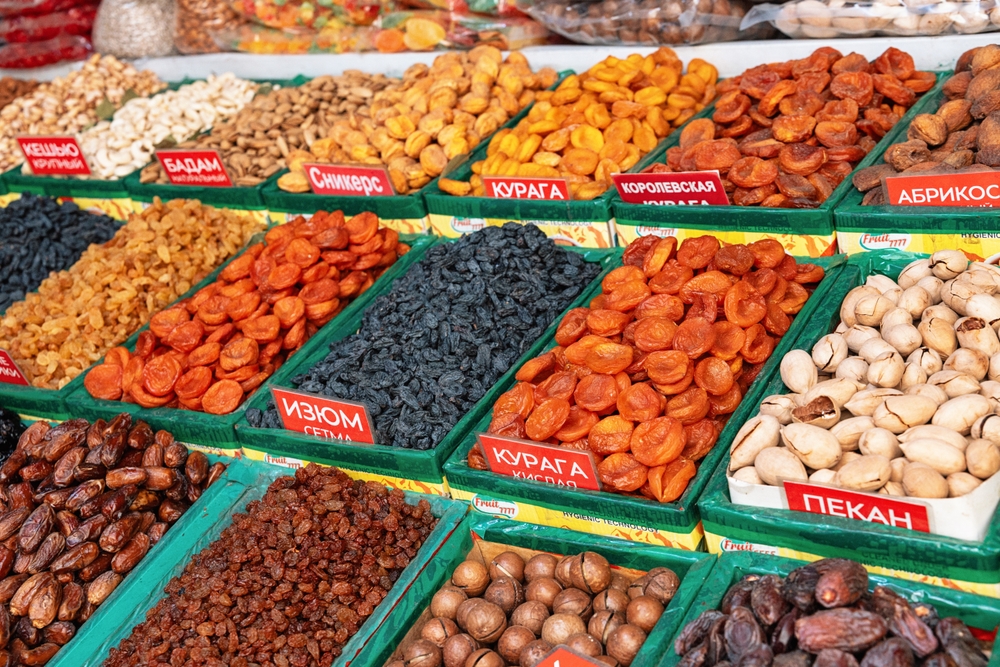
Dates: The Smart Sugar Substitute
Despite their high natural sugar content, dates can support weight loss when you use them strategically.
Six dried dates contain about 100 calories and 15 grams of sugar, but they're packed with fiber, potassium, magnesium, copper, and various vitamins that refined sugar simply doesn't offer.
The key difference is the glycemic index.
Dates have a low glycemic index, meaning they don't cause the rapid blood sugar spikes that refined sugar does.
That fiber content—around 7 grams per 100 grams—promotes digestive health and creates lasting satiety.
It slows digestion, which keeps you feeling fuller longer and reduces the likelihood of reaching for another snack.
This makes dates an excellent natural sweetener substitute in recipes, desserts, and beverages.
You can satisfy sweet cravings without resorting to refined sugars, jaggery, or honey, all of which pack more calories without the nutritional benefits.
The nutrients in dates help regulate your metabolism and provide sustained energy rather than the crash-and-burn cycle of processed sweets.
For people who crave sweets during weight loss, dates are particularly valuable.
You're getting actual nutrients instead of empty calories, which makes a real difference over time.
How to eat them: Limit yourself to 1-2 dates per day because of their calorie density.
Have one as a post-meal dessert to kill sweet tooth cravings, or eat one before bed with warm milk to support overnight muscle repair.
They work well blended into smoothies, stuffed with nuts for a balanced snack, or chopped and added to oatmeal.
Look for varieties without added sugar or preservatives.
Prunes: The Digestive Powerhouse
Prunes—dried plums—are exceptionally effective for weight loss thanks to their unique nutritional makeup.
Six dried prunes give you approximately 100 calories and 15 grams of sugar, but they're remarkably high in dietary fiber.
At just 240 calories per 100 grams, they qualify as a controlled-calorie snack option while delivering potassium, magnesium, vitamin K, vitamin B6, riboflavin, and boron.
The fiber content deserves attention.
Prunes contain both soluble and insoluble fiber, which promotes healthy digestive function and peristaltic movements in your intestines.
This helps your body eliminate waste and toxins efficiently, supporting weight loss through improved digestive health.
They also contain sorbitol, a sugar alcohol with natural laxative effects that helps with constipation.
Research confirms prunes are more effective at relieving constipation than psyllium, a common remedy.
Studies show that incorporating prunes into a weight control diet helps reduce body weight and control belly fat without adverse side effects.
The pectin fiber in prunes lowers cholesterol levels, while their rich antioxidant content prevents LDL cholesterol oxidation and helps protect against heart disease and cancer.
Research even shows that consuming 100 grams of prunes daily can increase bone mineral density.
How to eat them: Have 4-6 prunes as a mid-morning or afternoon snack to curb your appetite before main meals.
Add them to smoothies, mix into oatmeal, or eat them after soaking overnight for easier digestion.
Prunes work well as a natural sweetener in baked goods and make an excellent pre-workout energy source when you need sustained fuel.
Critical Consumption Guidelines for Maximum Results
Portion Control: The Non-Negotiable Rule
Your daily intake of dry fruits should stay between 20-40 grams—that's one small handful or roughly 1-1.5 ounces total.
While they're nutrient-dense, they're also calorie-concentrated, which means exceeding this amount can quickly counteract your weight loss efforts.
Pre-portion your servings into small containers rather than eating directly from large packages.
This simple step prevents overconsumption when you're distracted or hungry.
Timing Matters More Than You Think
When you eat dry fruits affects how well they support your weight loss:
- Morning on an empty stomach works best for soaked almonds, maximizing nutrient absorption
- Mid-morning between breakfast and lunch curbs hunger and prevents overeating at lunch
- Before workouts provides sustained energy without the crash of simple carbs
- Afternoon snack keeps you satisfied and prevents evening overeating when willpower typically drops
Limit evening consumption and keep portions tight if you do eat them later in the day.
Preparation Methods That Maximize Benefits
Stick with raw or dry-roasted varieties to get maximum nutritional benefits.
Soaking almonds, walnuts, and figs overnight enhances nutrient absorption, softens the fiber, and improves digestibility—just remember to discard the soaking water before eating them.
Avoid oil-roasted, salted, spiced, honey-coated, chocolate-covered, or deep-fried varieties.
These add unnecessary oils, sodium, and sugars that negate the weight loss benefits you're working toward.
Smart Integration Into Your Daily Diet
Rather than eating dry fruits alone in large quantities, incorporate them strategically into meals.
Chop nuts and add them to salads for extra crunch and protein.
Stir them into your morning oatmeal or yogurt.
Blend them into smoothies for added nutrition and creaminess.
Sprinkle them over whole-grain cereals as a topping.
This approach gives you the nutritional benefits while naturally controlling portions.
You're less likely to overeat when dry fruits are part of a balanced meal rather than a standalone snack.
Don't Forget Hydration
Drink sufficient water throughout the day when consuming dry fruits regularly.
Their nutrient density requires adequate water intake for optimal digestion and to help your body process the fiber effectively.
What to Avoid and Realistic Timeline for Results
Common Mistakes That Sabotage Progress
Steer clear of candied or sugar-coated dried fruits.
They add significant calories and refined sugars that work directly against your weight loss goals.
Also avoid dried fruits with added sulfites—often used to preserve color in bright fruits like apricots.
Some people experience adverse reactions including stomach cramps, skin rashes, and asthma attacks.
Don't rely solely on dry fruits for weight loss.
They must be part of a balanced diet combined with regular physical activity.
Eating excessive amounts thinking “more is better” will lead to weight gain rather than loss because of their calorie density.
This isn't a loophole or magic solution—it's a strategic tool.
What to Actually Expect (And When)
Research shows that people who consume dry fruits regularly have lower body weight and increased nutrient intake compared to those who don't.
But dry fruits alone cannot produce weight loss without sustainable lifestyle changes backing them up.
You need to combine controlled dry fruit consumption with regular exercise, adequate sleep, proper hydration, and a balanced overall diet.
With consistency across these areas, visible changes typically appear within 4-6 weeks, though individual results vary based on your overall calorie intake, activity level, metabolism, and body composition.
Remember the fundamental principle: dry fruits work as replacement snacks, not additions.
Substitute them for cookies, chips, candy, and processed foods rather than adding them on top of what you currently eat.
This substitution strategy delivers nutritional benefits while managing your calorie intake effectively.
Add them to your existing diet without replacing anything else, and you'll just gain weight from the extra calories.
Conclusion
These five dry fruits offer genuine weight loss benefits when you consume them correctly—controlled portions, strategic timing, and proper preparation all matter.
They work best as replacements for unhealthy snacks rather than additions to your current diet.
Combine them with regular exercise and balanced eating, and you'll see results within 4-6 weeks.