
Dairy isn't bad for weight loss—in fact, it can help you lose about 1-1.5 kg more fat over several months compared to low-dairy diets.
However, this benefit only shows up when you're actively restricting calories, and simply adding dairy to your current diet without cutting calories elsewhere won't cause weight loss and may even lead to slight weight gain.
Keep reading to understand exactly how dairy affects fat loss, which types work best, how much you need, and when dairy might actually be sabotaging your progress.
The Real Answer: Dairy's Effect Depends on One Critical Factor
Here's what you need to understand first: dairy isn't inherently good or bad for weight loss.
The outcome depends entirely on one decisive factor—whether you're actively restricting calories.
A major analysis of 29 randomized controlled trials revealed something interesting.
When researchers looked at dairy consumption overall, it had no significant effect on body weight.
People eating more dairy didn't automatically lose weight compared to those eating less.
However, when the researchers dug deeper into the data, they found a clear pattern.
The context determines everything:
- In calorie-restricted diets lasting under one year, dairy reduced body weight by approximately one kilogram
- Without energy restriction or in studies lasting longer than one year, dairy showed no effect or even caused slight weight gain
- Simply adding dairy to your current diet without reducing other calories won't trigger weight loss
Think of it this way. If you're currently eating 2,000 calories per day and maintaining your weight, adding three servings of dairy (roughly 300-400 calories) without cutting anything else means you're now eating 2,300-2,400 calories. You'll likely gain weight gradually, regardless of dairy's potential benefits.
On the other hand, if you're eating 1,500 calories per day as part of a structured weight loss plan, including 2-3 servings of dairy within that calorie budget can help you lose slightly more fat than a similar low-dairy diet with the same calorie intake.
The difference isn't dramatic—about 1-1.5 kg over several months—but it's measurable and consistent across multiple studies.
The key takeaway? Dairy can help accelerate fat loss, but only when paired with a calorie deficit.
It's a tool that works within the fundamental law of energy balance, not a substance that magically overrides it.
The Real Answer: Dairy's Effect Depends on One Critical Factor
Here's what you need to understand first: dairy isn't inherently good or bad for weight loss.
The outcome depends entirely on one decisive factor—whether you're actively restricting calories.
A major analysis of 29 randomized controlled trials revealed something interesting.
When researchers looked at dairy consumption overall, it had no significant effect on body weight.
People eating more dairy didn't automatically lose weight compared to those eating less.
However, when the researchers dug deeper into the data, they found a clear pattern.
The context determines everything:
- In calorie-restricted diets lasting under one year, dairy reduced body weight by approximately one kilogram
- Without energy restriction or in studies lasting longer than one year, dairy showed no effect or even caused slight weight gain
- Simply adding dairy to your current diet without reducing other calories won't trigger weight loss
Think of it this way.
If you're currently eating 2,000 calories per day and maintaining your weight, adding three servings of dairy (roughly 300-400 calories) without cutting anything else means you're now eating 2,300-2,400 calories.
You'll likely gain weight gradually, regardless of dairy's potential benefits.
On the other hand, if you're eating 1,500 calories per day as part of a structured weight loss plan, including 2-3 servings of dairy within that calorie budget can help you lose slightly more fat than a similar low-dairy diet with the same calorie intake.
The difference isn't dramatic—about 1-1.5 kg over several months—but it's measurable and consistent across multiple studies.
The key takeaway? Dairy can help accelerate fat loss, but only when paired with a calorie deficit.
It's a tool that works within the fundamental law of energy balance, not a substance that magically overrides it.
Three Mechanisms That Make Dairy Effective for Fat Loss
When dairy does help with weight loss, three distinct biological mechanisms are at work.
Understanding these helps you choose the right products and optimize your approach.
Protein-Induced Satiety
The most straightforward benefit comes from protein content.
High-quality protein in dairy increases feelings of fullness and reduces hunger more effectively than carbohydrates or fats.
Greek yogurt provides 15-20 grams of protein per serving—equivalent to 2-3 ounces of lean meat.
Cottage cheese delivers 11 grams per 100 grams.
This protein triggers a hormonal response that works in your favor.
It reduces ghrelin, the hormone that makes you feel hungry, while stimulating appetite-suppressing hormones.
The practical result? You naturally consume fewer calories throughout the day without feeling like you're constantly fighting hunger.
When you're trying to maintain a calorie deficit, this sustained fullness makes adherence significantly easier.
Calcium's Metabolic Role in Fat Cells
The calcium mechanism is more complex but equally important.
When your calcium intake is low, your body responds by producing more calcitriol, the active form of vitamin D.
This increased calcitriol triggers fat cells to store more fat and actively suppresses fat breakdown—exactly what you don't want during weight loss.
Higher calcium intake (1,200-1,400 mg daily from dairy) suppresses calcitriol production, which leads to increased fat oxidation and reduced fat storage.
The effect is substantial: studies show high-calcium diets during caloric restriction resulted in 26-38% greater weight loss compared to low-calcium diets with the same calorie intake.
Here's something crucial—dairy sources of calcium produce substantially better results than calcium supplements alone.
The combination of calcium with other bioactive compounds in dairy appears to create a synergistic effect that isolated calcium can't replicate.
Lean Muscle Mass Preservation
The third mechanism addresses a common problem during weight loss: muscle loss.
When you cut calories, your body doesn't exclusively burn fat—it also breaks down muscle tissue for energy.
This is problematic because muscle tissue supports your metabolic rate.
Research shows that increased dairy intake during weight loss helps preserve lean muscle while promoting fat loss.
In studies, people consuming more dairy preserved 0.36 kg more lean mass while simultaneously accelerating fat mass loss by 1.49 kg compared to control groups eating the same calories with less dairy.
This dual effect—less muscle lost, more fat lost—means you're getting better quality weight loss.
You're shedding the tissue you want to lose while keeping the tissue that keeps your metabolism running efficiently.
Which Types of Dairy Work Best (and How Much You Need)
Not all dairy products deliver the same results.
The type you choose, the fat content, and the amount you consume all significantly impact whether dairy helps or hinders your weight loss efforts.
Yogurt Shows the Strongest Weight Loss Effects
Greek yogurt and Icelandic skyr consistently demonstrate the most beneficial effects for weight management.
Research associates yogurt consumption with lower body weight, reduced weight gain over time, and smaller waist circumference compared to other dairy products.
The advantage appears to come from a synergistic combination of protein, probiotics, and calcium working together.
While other dairy products provide protein and calcium, yogurt adds probiotics that may influence gut microbiota in ways that support weight regulation.
The exact mechanisms remain under investigation, but the practical results show up consistently across studies.
The Full-Fat vs. Low-Fat Debate Has Shifted
For decades, traditional guidelines recommended low-fat dairy based on calorie and saturated fat concerns.
The logic seemed straightforward: fat contains more calories per gram, so removing it should help weight loss.
Recent research from 2019-2024 challenges this assumption.
Full-fat dairy consumption is not associated with increased weight gain.
Some observational studies even suggest people consuming more dairy fat actually gain less weight over time.
This counterintuitive finding has several explanations.
Full-fat dairy increases satiety more effectively than low-fat versions, potentially leading you to eat less overall.
What matters isn't just the calories in the dairy itself, but how those calories affect your total daily intake.
If full-fat yogurt keeps you satisfied for four hours while low-fat yogurt leaves you hungry after two, you might end up consuming fewer total calories with the full-fat option.
There's also something called the food matrix effect—nutrients in dairy interact differently than isolated nutrients.
The fat in dairy changes how your body processes the other components, and fermented full-fat products like cheese and yogurt show protective associations with metabolic health that can't be explained by their nutrient profile alone.
The practical decision: Low-fat options remain strategically useful if you're tightly restricting calories and need to maximize protein while minimizing total calories.
However, if full-fat versions help you feel more satisfied and don't push you over your calorie budget, they're not detrimental and may actually improve adherence.
The Optimal Dose for Results
Research points to 2-3 servings of dairy per day as the effective range when combined with calorie restriction.
One serving equals approximately one cup of milk or yogurt, or 1.5 ounces of cheese.
Studies using fewer than 2 servings showed minimal effects.
More than 3 servings didn't demonstrate additional benefits—there's no linear relationship where more is always better.
You hit a point of diminishing returns fairly quickly.
This benefit appears strongest in people whose baseline calcium intake is low (below 600-700 mg daily).
If you already consume adequate calcium from other sources, adding more dairy produces weaker results.
Your body responds most dramatically to correcting a deficiency, not to pushing already-adequate intake higher.
Four Situations Where Dairy Becomes a Weight Loss Problem
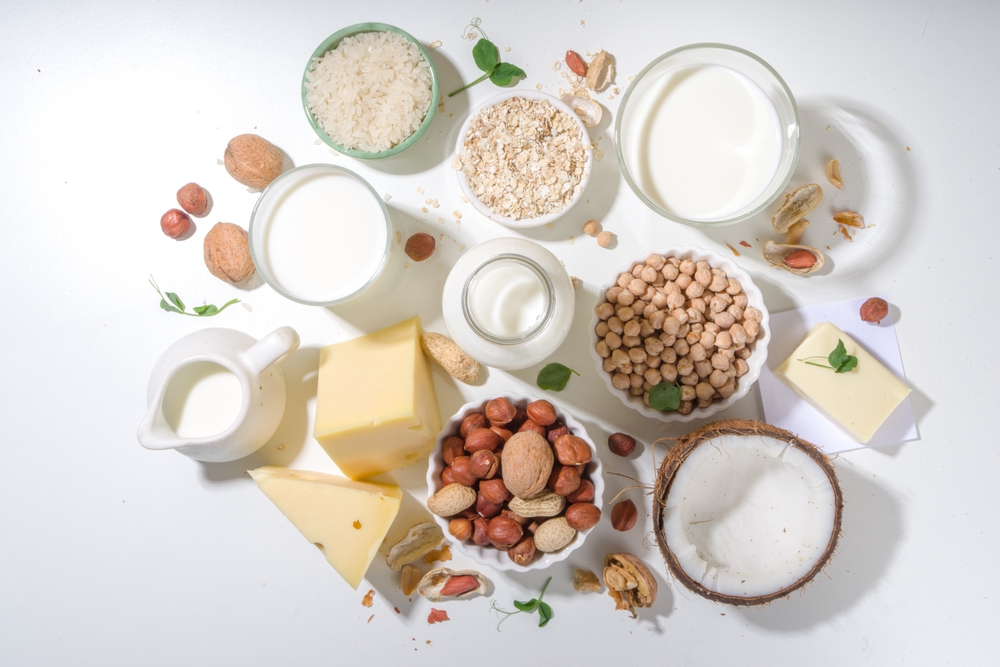
While dairy can support fat loss under the right conditions, several situations exist where it actively works against your goals.
Recognizing these scenarios helps you avoid wasting time on an approach that won't work for your specific situation.
Long-Term Use Without Calorie Control
Studies lasting longer than one year without structured energy restriction show no weight loss benefit from increased dairy intake.
The pattern is clear: when people add dairy to their diet without consciously managing their overall calorie intake, the extra calories accumulate gradually.
A serving of Greek yogurt adds 100-150 calories, a glass of milk adds 100-150 calories, and an ounce of cheese adds 100-120 calories.
Three servings daily means 300-450 additional calories.
Over time, without offsetting these calories elsewhere, you're looking at gradual weight gain—roughly 2-4 pounds over several months.
The metabolic benefits of dairy can't overcome a sustained calorie surplus.
Insulin Response Concerns
This is where dairy gets complicated.
Dairy has a low glycemic index, meaning it doesn't raise blood sugar much.
However, it has a high insulin index—it triggers substantial insulin release despite the minimal blood sugar impact.
For most people, this isn't problematic.
But for individuals with insulin resistance, this repeated insulin stimulation may promote fat storage and make fat loss more difficult even when calories are controlled.
If you're doing everything right—tracking calories, exercising, sleeping well—but still struggling with stubborn weight, dairy's insulin effect might be worth investigating.
The issue isn't universal, but it's common enough that it deserves attention if you've hit an unexplained plateau.
Hidden Sugars in Flavored Products
Flavored yogurts, sweetened milk drinks, and processed dairy desserts contain 15-20 grams of added sugar per serving—nearly as much sugar as candy.
A strawberry yogurt might seem like a healthy choice, but you're often consuming the equivalent of several teaspoons of sugar alongside the protein and calcium.
These products completely undermine weight loss efforts regardless of dairy's potential benefits.
The added sugar triggers blood sugar spikes, increases overall calorie intake, and can create cravings for more sweet foods throughout the day.
Plain, unsweetened dairy products are essential if you want the metabolic advantages without sabotaging your progress.
Lactose Intolerance and Inflammatory Response
Approximately 65% of adults have some degree of lactose intolerance.
For these individuals, dairy consumption can cause bloating, digestive discomfort, and potentially chronic low-grade inflammation.
This inflammatory response may interfere with weight loss efforts and overall metabolic health in ways that go beyond simple calorie math.
When your digestive system is constantly irritated, it can affect hunger signals, energy levels, and how efficiently your body processes nutrients.
You might not connect the dots between the dairy you're eating and the difficulty losing weight, but the connection can be direct and significant.
Your Strategic Action Plan for Using Dairy to Lose Weight
If you've decided dairy fits your weight loss approach, here's how to use it effectively.
The difference between success and failure often comes down to product selection and integration strategy.
Choose High-Protein Options
Your priority should be maximizing protein per calorie.
These products deliver the best results:
- Plain Greek yogurt (0-2% fat): Maximum protein density, versatile for meals and snacks
- Plain Icelandic skyr: Similar protein content with slightly different texture and taste
- Cottage cheese (low-fat): Extremely versatile, works in both sweet and savory applications
- Skim or 1% milk: Best for smoothies, cereal, or cooking when you need liquid dairy
- Cheese in moderation: 1-ounce portions add flavor and satisfaction without derailing calorie goals
Notice the emphasis on plain versions. This gives you complete control over what else goes into your food.
Make Smart Fat Content Decisions
The fat content decision isn't one-size-fits-all.
Low-fat or fat-free options work well if you need to reduce calories significantly while maintaining protein intake.
They give you more volume and protein for fewer calories, which matters when you're working with a tight calorie budget.
Full-fat versions are acceptable if they help you feel more satisfied and don't push you over your calorie budget.
Some people find that full-fat dairy keeps them full longer, preventing snacking and reducing overall calorie intake.
This can actually help with adherence and prevent the kind of intense hunger that leads to overeating later.
The key is your total calorie intake, not the dairy fat specifically.
Track your results over 2-3 weeks with each approach and see which version helps you stick to your calorie target more easily.
Products to Avoid
These dairy products work against weight loss regardless of their other qualities:
- Sweetened yogurts with added sugars
- Chocolate milk and flavored milk drinks
- Ice cream and frozen dairy desserts
- Cream cheese (minimal protein, high calories relative to volume)
- Full-fat milk if you're tightly restricting calories
The common thread? Either added sugars that spike insulin and increase total calories, or poor protein-to-calorie ratios that don't support satiety.
Integration Strategy
Aim for 2-3 servings daily as part of a calorie-restricted diet, typically 500 calories below your maintenance level.
Select plain versions and add your own fruit, nuts, or small amounts of honey to control exactly how much sugar you're consuming.
Time your higher-protein dairy options around meals to maximize satiety. Greek yogurt with breakfast can keep you satisfied until lunch.
Cottage cheese as an afternoon snack can prevent the late-day hunger that derails many people's efforts.
The protein works best when it's distributed throughout the day rather than concentrated in one meal.
Use dairy as a strategic tool within your overall calorie budget, not as an addition to it.
If you're adding three servings of dairy, you need to reduce calories from other sources to maintain your deficit.
This might mean smaller portions of grains, less cooking oil, or fewer snack foods—whatever fits your preferences while keeping you in a calorie deficit.
What to Do If Dairy Isn't Working for You
Not everyone responds well to dairy during weight loss.
If you've been following the guidelines but aren't seeing results—or if you're experiencing negative symptoms—it's time to investigate whether dairy is helping or hurting your progress.
Try an Elimination Trial
The cleanest way to assess dairy's impact is to eliminate it completely for 2-4 weeks.
This duration gives your body enough time to clear any inflammatory responses and allows you to see clear patterns in your weight loss rate, energy levels, and digestive comfort.
During this period, assess whether lactose intolerance, insulin sensitivity issues, or hidden calories were sabotaging your efforts.
Track how your body responds without dairy's insulin effect—some people with insulin resistance notice that weight loss suddenly accelerates when dairy is removed, even with identical calorie intake.
Monitor specific markers: bloating and digestive discomfort, overall energy levels throughout the day, weight loss rate compared to previous weeks, and hunger patterns.
If you notice significant improvements in any of these areas, dairy may have been working against you despite its theoretical benefits.
Consider Calcium-Fortified Alternatives
Plant-based alternatives can provide calcium without triggering the same insulin response as dairy.
These options may work better for people with insulin resistance or lactose intolerance:
- Fortified almond milk: Low calorie, neutral flavor, good calcium content when fortified
- Soy milk: Highest protein content among plant milks, comparable to cow's milk
- Oat milk: Creamier texture, moderate calories, check for fortification
Check labels carefully for adequate calcium content (aim for at least 300mg per serving) and minimal added sugars.
Many plant-based products contain surprisingly high sugar levels to improve taste, which defeats the purpose if weight loss is your goal.
Weight Maintenance Considerations
Here's an interesting twist: dairy may actually be more beneficial for long-term maintenance than for active weight loss.
Research shows that after initial weight loss, adequate dairy intake (3+ servings) may help prevent regain through continued support of fat oxidation and metabolic rate.
Studies found that people maintaining recommended dairy intake could consume more calories without regaining weight compared to those who reduced or eliminated dairy during maintenance.
This suggests dairy's metabolic effects become more valuable when you're no longer in an aggressive calorie deficit and your body is trying to restore lost weight.
If dairy wasn't helpful during your active weight loss phase, you might still consider reintroducing it during maintenance to see if it helps with weight stability.
Signs Dairy Might Be Holding You Back
Watch for these indicators that dairy isn't working for your body:
- Persistent bloating or digestive discomfort after dairy consumption
- Weight loss plateau despite a consistent calorie deficit
- Increased cravings or hunger shortly after eating dairy products
- Inflammatory symptoms or skin issues that correlate with dairy intake
If you're experiencing any of these consistently, the theoretical benefits of dairy don't matter—your individual response is telling you it's not the right tool for your weight loss journey.
Listen to your body's feedback and adjust accordingly.
Conclusion
Dairy can be a useful tool for weight loss, but only when you're actively restricting calories—and even then, the benefit is modest rather than transformative.
The right approach depends on your individual response, your baseline calcium intake, and whether you're dealing with insulin resistance or lactose intolerance.
Test dairy strategically within your calorie budget, track your results honestly, and don't hesitate to eliminate it if your body tells you it's not working.