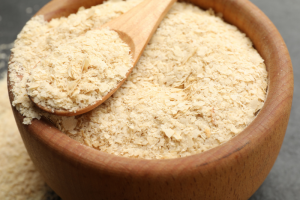
Pinalim Tea is not good for weight loss — any weight you see drop on the scale is temporary water and bowel content loss driven by senna, a laxative ingredient, not actual fat burning.
Keep reading to see exactly what's in this tea, what the science says about each ingredient, and why regular use carries risks that far outweigh the results.
What's Inside Pinalim Tea
Piñalim Tea is manufactured by GN+Vida S.A. de C.V., a Mexican supplement company, and contains seven ingredients: pineapple fruit, flaxseed, green tea leaf, rooibos (red tea), white tea leaf, senna leaf, and pineapple extract.
That senna leaf entry is worth pausing on. It's a stimulant laxative that works by irritating the colon lining to trigger bowel movements — and it's only present in the U.S. version. The original Mexican formula leaves it out entirely. This difference matters a lot when evaluating what the tea actually does to your body.
The manufacturer's claims are aggressive: a thermogenic effect, fat burning, appetite suppression, and a “guarantee” of weight loss within 30 days.
One product page even recommends drinking it in place of dinner. None of these claims have been evaluated or approved by the FDA — which, worth noting, doesn't pre-screen dietary supplements before they hit shelves.
Does the Science Back Any of These Ingredients?
No clinical trial, randomized controlled study, or peer-reviewed research has ever tested Pinalim Tea for weight loss — searches across PubMed and NIH databases return nothing.
Some wellness blogs cite studies published in Nutrición Hospitalaria and the Journal of Medicinal Food, but those citations appear to be fabricated. Neither can be located in those journals.
What does exist is research on individual ingredients. Here's what it actually shows:
Green tea has the strongest evidence of the bunch, but the results are modest. A Cochrane Review of 14 randomized controlled trials — considered the gold standard in evidence-based medicine — found a mean weight difference of just −0.04 kg in non-Japanese populations, which is statistically insignificant.
A separate meta-analysis found a more favorable −1.31 kg, but those studies used concentrated extracts delivering 800+ mg of EGCG daily. A single tea bag in a multi-ingredient blend comes nowhere close to that dose.
Flaxseed shows similar limitations. A 2017 review of 45 trials found −0.99 kg of weight reduction, and a 2024 update across 64 trials found −0.63 kg — but both figures required 30 grams or more of whole flaxseed daily for at least 12 weeks. Steeping flaxseed in hot water extracts very little of the fiber responsible for those effects.
The remaining ingredients offer even less:
- Pineapple/bromelain: Only lab and animal studies exist. A 2025 review confirmed there are no human clinical trials on weight loss.
- Rooibos: Same situation — zero human trials, only in vitro and animal research.
- Senna: No evidence for weight loss at all. The FDA approves it strictly as a short-term laxative, nothing more.
So What's Actually Causing the Weight Drop?
The mechanism behind Pinalim Tea's effects is straightforward. Senna contains compounds called sennosides, which get activated by bacteria in the colon.
Once activated, they irritate the intestinal wall, speed up transit time, and reduce how much water your body reabsorbs — typically producing urgent bowel movements within 6 to 12 hours.
What this doesn't do is burn fat. Here's the part most people miss: by the time food reaches the large intestine, where laxatives act, your body has already absorbed virtually all of its calories in the small intestine. Senna cannot retroactively undo that. It has no mechanism to reduce caloric absorption.
The 4 to 8 pounds users often report losing in the first few days reflects gut evacuation and water loss — not a reduction in body fat. That weight comes right back once you eat and drink normally again.
Registered dietitian Lauren Harris-Pincus put it plainly: laxative and diuretic effects may cause minor, temporary scale changes, but they do nothing to reduce actual body fat, which is the only thing that matters for lasting weight loss.
What Real Users Are Reporting

Consumer reviews across Amazon, eBay, and social media tell a pretty consistent story, split roughly into two camps.
Around 50 to 60 percent of reviews are positive, with users praising the pleasant pineapple taste, relief from constipation, reduced bloating, and a general feeling of being “lighter.” The telling detail, though, is that several of these long-term users — the ones most enthusiastic about the constipation relief — explicitly said they saw no weight loss at all.
The remaining 30 to 40 percent of reviews describe a rougher experience:
- Severe abdominal cramping
- Explosive diarrhea
- Being unable to leave the house for hours after drinking it
On TikTok, influencers tend to focus on the dramatic early results. But scroll past the promotional content and you'll find experienced users telling a different story — recommending people limit use to once a week and warning: “Don't leave your house the next day.”
The weight loss reports that do appear in reviews — typically 4 to 8 pounds over a few days — follow the exact pattern you'd expect from laxative use.
The scale drops, then climbs back up as soon as the person eats and drinks normally again. That cycle isn't fat loss; it's just your body returning to its baseline.
The Health Risks You Need to Know
This is where the conversation shifts from ineffective to genuinely concerning.
A 2024 case study published in Annals of Hepatology documented hepatitis in a 29-year-old woman who drank Pinalim Tea daily for one year. Her liver enzymes were severely elevated — ALT at 356 U/L and total bilirubin at 11.1 mg/dl.
Every other possible cause of liver damage was ruled out, and the RUCAM causality score came back at 9 out of 10, classified as a definitive link between the tea and the liver damage. It took six months after she stopped drinking it for her liver function to return to normal.
That's one documented case, but the risks tied to long-term senna use are well-established across medical literature:
- Laxative dependence: the bowel gradually loses its ability to function without chemical stimulation
- Potassium depletion: electrolyte imbalances from chronic use can affect heart rhythm
- Melanosis coli: a darkening of the colon lining associated with prolonged laxative use
- Possible colorectal cancer risk: still under investigation, but flagged in medical literature
There's also a behavioral dimension worth taking seriously. A study of more than 10,000 young women found that those using laxatives for weight loss were six times more likely to develop an eating disorder within three years.
The FDA, NIH, NHS, WebMD, and Healthline all land on the same position: senna should not be used for more than one week without physician oversight, and it should never be used as a weight management tool.
What Actually Works for Fat Loss
No tea, supplement, or detox product can bypass the basic biology of fat loss. Losing body fat requires a sustained caloric deficit over time — consistently burning more than you consume. That's not a marketing message; it's just how human metabolism works.
Green tea and flaxseed, two of Pinalim's ingredients, do have modest scientific backing for small weight effects. But as covered earlier, those results only appeared at clinical doses far exceeding what any tea bag delivers.
Drinking them in a blended formula doesn't replicate what controlled trials achieved with concentrated extracts and measured daily doses.
If constipation is your actual concern, short-term senna use — under a week, with a doctor's guidance — is exactly what it's approved for. That's a legitimate, narrow use case. Weight loss is not.
For genuine, lasting fat reduction, the evidence points to three things:
- Caloric balance: a consistent, moderate deficit through diet
- Physical activity: which supports both the deficit and metabolic health
- Medical support: for anyone whose situation warrants professional guidance
Using Pinalim Tea daily doesn't move the needle on any of these. What it does do, as the evidence shows, is carry real documented risks — liver damage, laxative dependence, electrolyte depletion — with no meaningful fat loss benefit to offset them. That's not a trade worth making.
Conclusion
Pinalim Tea is, at its core, a flavored laxative — and the weight changes users experience are temporary, returning to baseline as soon as normal eating and drinking resumes.
Its two ingredients with any real scientific backing, green tea and flaxseed, are present in amounts too small to produce meaningful effects, while senna, the ingredient doing most of the work, has no evidence for fat loss and carries documented risks that include liver damage, laxative dependence, and dangerous electrolyte depletion.
If lasting weight loss is the goal, the answer isn't a tea bag — it's a caloric deficit, consistent physical activity, and where needed, guidance from a medical professional.