The five healthiest breakfasts for weight loss are a vegetable egg scramble, Greek yogurt with berries and nuts, protein-fortified oats, a cottage cheese fruit bowl, and a tofu-and-vegetable scramble — all built around high protein and soluble fiber, the two nutritional factors with the strongest research backing for keeping hunger in check.
Read on for a closer look at why each one works and how to build them the right way.
What Makes a Breakfast Actually Support Weight Loss
Most breakfast advice focuses on what to avoid — skip the sugar, ditch the white bread. But the stronger lever is what you add: specifically, enough protein and soluble fiber to meaningfully shift your hunger signals for the rest of the day.
Protein: The Heavyweight
Aiming for around 25–30g of protein at breakfast is where the research points most consistently. At that level, protein measurably suppresses ghrelin (the hormone that drives hunger) while raising GLP-1, a satiety hormone that signals fullness to your brain.
A large meta-analysis of 68 trials quantified this: acute protein intake cut hunger by 7mm on a 100mm scale, raised fullness by 10mm, lowered ghrelin by 20 pg/ml, and raised GLP-1 by 21 ng/ml — with the strongest hormonal response at doses of 35g or more.
Protein also has a higher thermic effect than any other macronutrient — your body burns roughly 20–30% of protein calories just digesting it, compared to 5–10% for carbohydrates and almost nothing for fat.
And during a calorie deficit, adequate protein helps preserve lean muscle mass, which matters because muscle is metabolically active tissue you don't want to lose while cutting calories.
Soluble Fiber: The Underrated Partner
The other mechanism worth understanding is viscous soluble fiber, ideally 4–10g at breakfast. This type of fiber absorbs water in your digestive tract, forming a gel that slows gastric emptying and keeps food moving through your system more gradually.
The practical result is a longer stretch of feeling satisfied after eating, with a steadier blood sugar response than a low-fiber meal delivers.
One Honest Caveat
The effect sizes here are real but modest. Higher-protein diets in controlled research produced roughly 0.79kg more weight loss than standard-protein diets — meaningful over time, but not dramatic in the short term.
These breakfasts work by making a calorie deficit easier to stick to, not by bypassing the need for one. Portion control still matters, particularly with calorie-dense additions like oils, nut butters, and granola.
Vegetable Egg Scramble or Omelette
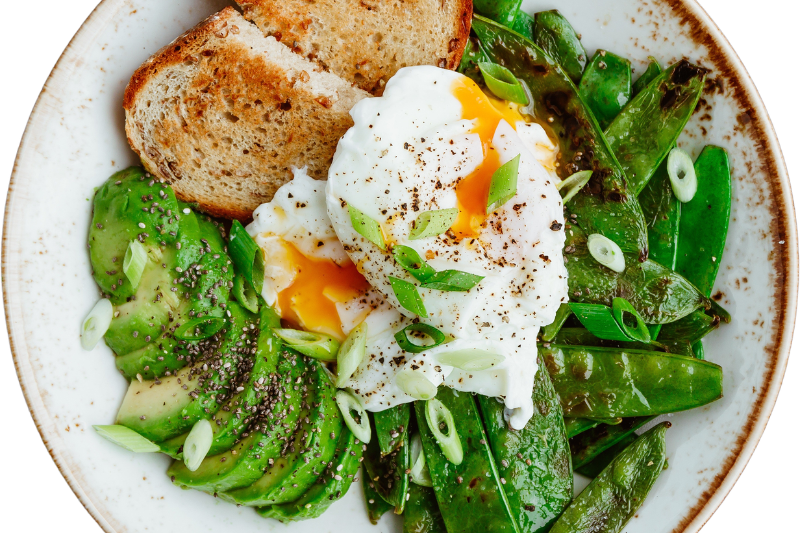
A scramble or omelette made with 2–3 whole eggs and a generous mix of non-starchy vegetables lands at roughly 200–300 calories with 18–25g of protein — one of the more efficient breakfast formats for hitting your protein target without overshooting your calorie budget.
What the Research Shows
The egg breakfast vs. bagel comparison is one of the more cited findings in this space, and the numbers are worth knowing. In an 8-week trial of overweight adults eating under a calorie deficit, the egg breakfast group achieved 61% greater BMI reduction and 65% greater weight loss than the bagel group — despite both breakfasts containing the same number of calories.
A separate crossover study confirmed that energy intake following an egg breakfast was significantly lower than after a cereal breakfast (4,518 vs. 5,283 kJ), with participants reporting less hunger throughout the morning. The consistent thread across studies: eggs reduce how much you eat later, not just how hungry you feel immediately after.
Building It Right
The vegetable component isn't just nutritional padding. High-volume, low-calorie vegetables like spinach, mushrooms, bell peppers, and tomatoes add fiber, bulk, and micronutrients without meaningfully pushing up calories — which is exactly what you want when you're trying to feel full on a deficit.
A few practical tips that make a real difference:
- Cook with minimal oil or use a nonstick pan with cooking spray — oil is where egg breakfasts most commonly accumulate hidden calories
- Pair with half an avocado or a slice of whole-grain toast rather than processed sides if you want to add healthy fat or fiber
- To push protein toward 30g, add one or two egg whites alongside your whole eggs
One thing worth keeping in mind: the weight loss advantage seen in the research appeared specifically under calorie restriction. Eggs are a tool within a deficit, not a workaround for one.
Greek Yogurt Bowl with Berries, Nuts, and Seeds
A cup of plain nonfat or low-fat Greek yogurt — or its Icelandic equivalent, skyr — topped with berries and a small portion of nuts or seeds gives you roughly 200–280 calories, 20–25g of protein, and 5–9g of fiber. That's a strong nutritional profile for a breakfast that requires zero cooking.
Why Yogurt Specifically
Of all the individual foods studied in long-term weight research, yogurt has the strongest association with less weight gain over time. In a large Harvard cohort study tracking over 120,000 adults across multiple 4-year periods, each additional daily serving of yogurt was linked to a 0.82 lb reduction in weight gain per period — the most protective finding of any single food examined, ahead of even nuts.
A separate dose-response analysis found a 13% reduction in overweight and obesity risk for every 50g increase in daily yogurt consumption.
The protein in Greek yogurt is largely casein, which digests slowly and sustains fullness over several hours — a different satiety profile than the faster-digesting whey fraction. That slower release makes it particularly well-suited to breakfast, where the goal is staying satisfied well into the morning.
The Supporting Cast
Berries earn their place here on efficiency grounds: a full cup runs just 60–84 calories depending on the variety, while contributing 3–8g of fiber and meaningful volume to the bowl. Chia or flax seeds add another gram or two of fiber along with healthy fats, without requiring much calorie budget.
Where People Go Wrong
This breakfast has a few common traps:
- Flavored yogurts can carry significant added sugar — sometimes as much as a dessert — while delivering less protein than plain varieties
- Granola and nut butter are the most frequent sources of calorie creep; both are easy to over-pour and can quietly double the calorie count of the bowl
- Dried fruit, while marketed as healthy, is calorie-dense and lacks the water content that makes fresh berries filling
If you want more sweetness, a small drizzle of honey or a pinch of cinnamon does the job without the sugar load of flavored yogurt. To push protein closer to 30g, stirring in half a scoop of unflavored protein powder is a clean option that doesn't alter the taste much.
Protein-Fortified Oats and Cottage Cheese Bowl
These two options are different in texture and preparation, but they share the same underlying logic: a high-satiety base that's carb- or protein-led, fortified to hit the 25–30g protein target that makes breakfast work harder for weight loss.
Oats: The Fiber Angle
Half a cup of dry steel-cut or rolled oats cooked and fortified with a protein source — Greek yogurt, cottage cheese, or protein powder — lands at roughly 250–350 calories with 20–30g of protein and around 4g of beta-glucan fiber. Beta-glucan is the specific fiber that makes oats worth paying attention to.
It dissolves in water to form a viscous gel in your digestive tract, slowing gastric emptying and triggering satiety hormone release. Across trials measuring body weight, BMI, or body fat, 75–80% saw significant reductions at beta-glucan doses of 3–7g per day over 6–12 weeks.
Processing level matters more than most people realize. Steel-cut oats have a glycemic index of roughly 42–53, meaning they produce a slower, more gradual blood sugar response.
Instant oats sit at 79–83 — closer to white bread territory — which blunts much of the satiety benefit. Plain oats on their own are also low in protein, so fortifying every bowl isn't optional if weight loss is the goal; it's what makes this breakfast complete.
A few things to avoid:
- Flavored instant oat packets, which often carry as much sugar as a bowl of sweetened cereal
- Eyeballing nut butter or granola portions — these are the most common ways oat bowls quietly exceed their calorie target
- Skipping the protein addition and treating oats as a standalone meal
Cottage Cheese: The No-Cook Alternative
Cottage cheese deserves more attention than it typically gets. One cup of low-fat cottage cheese delivers 24–28g of protein for just 160–200 calories, making it one of the most favorable protein-to-calorie ratios of any whole food you can eat at breakfast.
Like Greek yogurt, its protein is predominantly casein, which digests slowly and extends satiety well past the meal.
The practical appeal is real: it requires no preparation, pairs well with fruit and seeds, and can be blended smooth if the texture is a barrier.
A bowl built with cottage cheese, berries, and a small handful of nuts can hit 30g of protein and meaningful fiber without much effort or time. Low-fat varieties give you the best protein density; full-fat works if you have more calorie room and want additional satiety from fat.
Tofu and Vegetable Scramble (Plant-Based Option)
For anyone eating plant-based, this is the breakfast that most closely mirrors the nutritional profile of an egg scramble. Crumbled firm or extra-firm tofu, sautéed with turmeric, black salt, nutritional yeast, and a mix of vegetables, comes in at roughly 147–275 calories with 16–19g of protein and 2–5g of fiber depending on what you add.
Why Tofu Works Here
Tofu is one of the few plant proteins that's nutritionally complete — it contains all nine essential amino acids, which puts it in the same category as eggs and dairy rather than most other plant foods.
That completeness matters for satiety and muscle preservation during a calorie deficit, both of which depend on amino acid availability, not just total protein grams.
Soy protein also supports glycemic control, and loading the scramble with non-starchy vegetables — spinach, mushrooms, bell peppers, tomatoes — adds fiber and volume without meaningfully pushing up calories. The result is a breakfast that fills the plate and keeps hunger at bay through the morning.
Getting the Most Out of It
A few preparation details have a real impact on the final result:
- Press tofu before cooking to remove excess water — this improves texture significantly and helps it brown rather than steam in the pan
- Use extra-firm tofu for the highest protein density per serving
- Sauté in minimal oil or use a splash of water instead; tofu absorbs oil readily, and this is where calories can climb faster than expected
Nutritional yeast pulls double duty here — it adds a savory, umami flavor that makes the scramble more satisfying, while also contributing additional protein and B-vitamins.
Black salt, or kala namak, gives the dish an egg-like sulfurous flavor that makes it feel less like a substitute and more like its own thing. If you want to push protein closer to 25g, adding an extra half cup of tofu or stirring in some edamame does the job cleanly.
How to Pick the Right Breakfast and Avoid Common Mistakes
Knowing which breakfasts work is only half the equation. The other half is picking one you'll actually make consistently and building it in a way that doesn't quietly undermine your calorie goals.
Match the Meal to Your Morning
The best breakfast for weight loss is the one that fits your routine well enough to become a habit. A rough guide:
- Savory or hot mornings: egg scramble or tofu scramble
- No-cook or grab-and-go: Greek yogurt bowl or cottage cheese bowl
- Want something warm and filling: protein-fortified oats
Rotating between two or three of these across the week is more sustainable than locking into one option and burning out on it. Consistency over weeks and months is what moves the needle — not finding the nutritionally perfect breakfast and eating it every single day.
The Hidden Calorie Problem
This is where most people's breakfast plans fall apart. The meals above are built around whole, minimally processed foods, but several common additions can double the calorie count without feeling like much:
- Cooking oil (even a generous pour adds 100–120 calories)
- Granola and nut butters (easy to over-serve; dense in calories)
- Dried fruit and sweetened yogurt (high sugar, low satiety per calorie)
- Flavored instant oat packets (often as sugary as breakfast cereal)
Measuring these — at least until you have a reliable eye for portions — is one of the more straightforward things you can do to close the gap between what you think you're eating and what you actually are.
Troubleshooting and Keeping Perspective
If you're still hungry within 2–3 hours of breakfast, the most likely fix is more protein and fiber, not a larger portion of whatever you're already eating. Push protein toward 30–35g and add a fiber source if you haven't already.
If weight loss stalls after several weeks of consistency, audit your portions before changing your food choices — the meals themselves are rarely the issue.
One point worth repeating: every breakfast on this list was studied in the context of an overall calorie deficit. They work by making that deficit easier to maintain, not by creating one on their own.
The most useful thing you can do with this information is replace a refined-carb breakfast — a bagel, pastry, or sugary cereal — with one of these options, rather than adding it on top of what you're already eating.
Conclusion
Protein and soluble fiber are the two mechanisms that make these breakfasts work — they keep hunger manageable, support lean mass during a deficit, and make it easier to stay consistent over time.
The best choice from this list is whichever one you'll actually prepare and eat regularly, built with portion control in mind.
Swap it in where a lower-quality breakfast used to be, keep your overall calories in check, and these meals will do exactly what the research suggests they can.