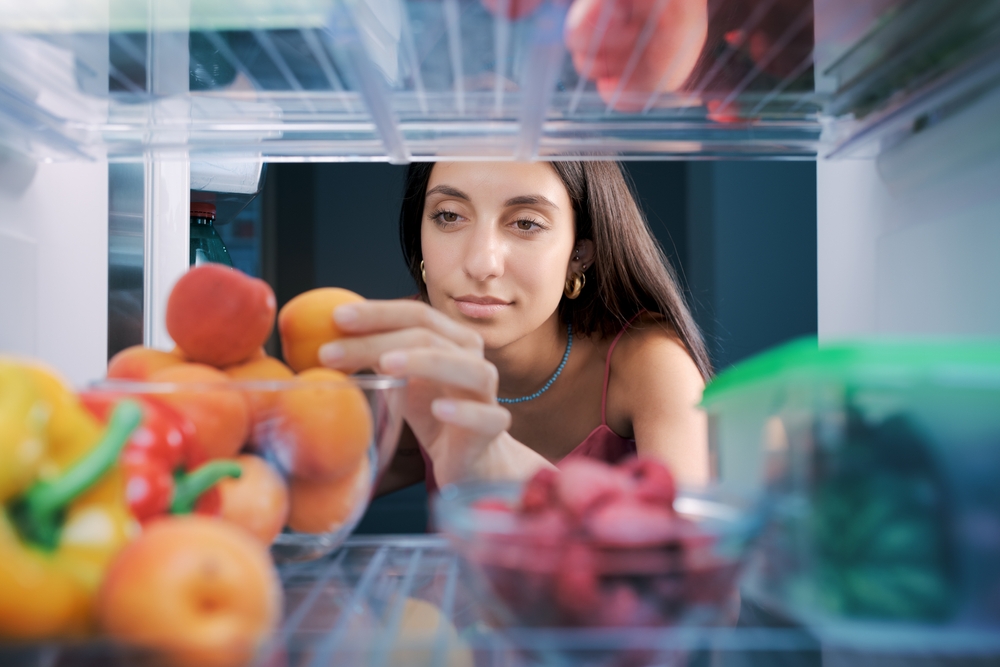
Eating fruit at night can support your weight loss goals when you choose the right types (like berries, kiwi, or apples), eat them 2-3 hours before bed, and use them to replace higher-calorie snacks—but total daily calories still matter more than timing.
While research shows your body burns calories less efficiently in the evening, fruit remains a far better choice than processed snacks when late-night hunger strikes.
Keep reading to discover which specific fruits work best for nighttime eating, how much you should eat, and the science-backed strategies that make all the difference.
What Science Reveals About Eating Fruit at Night
Here's what matters most: when you control your total calorie intake, no conclusive evidence shows that eating fruit specifically at night causes weight gain.
That said, the timing conversation isn't completely irrelevant.
Research from Harvard Medical School and Brigham and Women's Hospital found that eating later in the day creates a perfect storm of metabolic challenges.
Late eating increases your hunger levels, decreases the number of calories you burn, and actively promotes fat storage.
Your body performs up to 50% better at burning calories during daytime meals compared to evening ones, simply through the process of digestion.
This happens because diet-induced thermogenesis—the calories your body burns while processing food—steadily decreases as the day progresses.
The mechanism goes deeper than simple calorie burning.
Late eating actually changes the activity of genes that control how your body burns and stores fat.
It also disrupts your hunger hormones, affecting both leptin (which suppresses appetite) and ghrelin (which triggers hunger).
Interestingly, people who eat late often have higher morning leptin levels and report less morning appetite, which can interfere with establishing healthy eating patterns throughout the day.
The blood sugar picture gets murky.
Some research suggests you might experience steadier blood sugar responses when eating fruit in the evening, while other studies point to impaired regulation.
What's the takeaway?
The “never eat fruit at night” rule lacks strong scientific backing in controlled studies.
Your bigger concern should be what you're eating—whole foods versus processed snacks—and your total caloric intake.
That piece of fruit is still a better choice than chips or cookies, regardless of the clock.
The Surprising Benefits of Choosing Fruit for Evening Snacks
When that 9 PM sweet tooth hits, fruit delivers satisfaction without the calorie bomb of processed snacks.
The fiber in whole fruits creates a fuller feeling that lasts, which means you're less likely to overconsume or reach for less healthy alternatives an hour later.
The calorie math works in your favor.
A cup of strawberries gives you 50 calories and 3 grams of fiber—you can eat a genuinely satisfying portion without meaningfully increasing your daily intake.
Compare that to a handful of cookies or a bowl of ice cream, and the difference becomes obvious.
Sleep quality adds another layer of benefit.
Cherries and kiwis are natural melatonin sources, and research confirms that kiwis specifically improve sleep onset, duration, and efficiency.
Bananas bring magnesium to the table, which has muscle-relaxing properties that promote better rest.
Since poor sleep disrupts metabolism and cranks up hunger hormones, choosing fruits that help you sleep better might indirectly support your weight loss efforts.
Evening fruit also fills nutritional gaps most people have—vitamins, minerals, antioxidants, and fiber that didn't make it into your day.
Recent research even shows that higher daytime fruit intake correlates with less disrupted nighttime sleep.
Here's the pattern that matters: people who consume sufficient fruits and vegetables maintain healthier weights regardless of when they eat them.
The key principle is substitution. Replace your usual evening snacks with fruit rather than piling fruit on top of everything else you're already eating.
Best Fruits to Eat at Night for Weight Loss
Berries stand out as champions for nighttime weight loss.
Strawberries, blueberries, raspberries, and blackberries pack high fiber into low-calorie packages—raspberries deliver an impressive 8 grams of fiber per cup.
Blueberries bring additional firepower with anthocyanins and antioxidants that reduce inflammation and promote fat metabolism.
All berries share a low glycemic index, which means they won't spike your blood sugar before bed.
Many experts consider kiwi the single best fruit for nighttime consumption.
It's rich in both fiber and melatonin, helping regulate your sleep and metabolism simultaneously.
The low calorie count and excellent digestive properties make it an ideal evening choice.
Apples give you 95 calories and 4 grams of fiber in a medium fruit.
The soluble fiber, called pectin, slows digestion and prevents those midnight cravings from creeping back.
Apples also contain polyphenols that improve gut health and enhance fat oxidation.
Grapefruit deserves attention for its metabolism-boosting and blood sugar-regulating properties, plus a very low glycemic index.
Just note that it can interact with certain medications, so check with your doctor if you take prescriptions.
Cherries offer another melatonin source at 87 calories per cup, with anthocyanins that support fat metabolism.
Stone fruits like peaches, nectarines, plums, and apricots stay low in calories while delivering vitamins and antioxidants—a medium peach contains just 58 calories and 2 grams of fiber.
Papaya is light and easy to digest at 60 calories per cup with 2.5 grams of fiber.
It contains the enzyme papain, which aids digestion and prevents bloating.
Oranges and other citrus fruits provide vitamin C for fat oxidation, with a medium orange offering 60-70 calories and 3 grams of fiber.
Fruits You Should Skip or Limit in the Evening
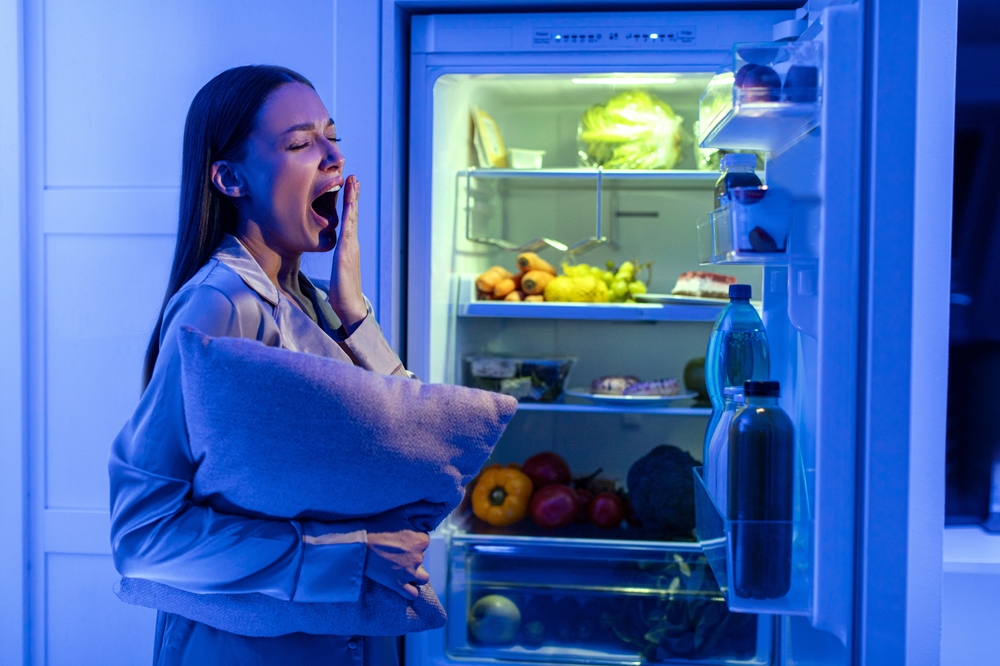
Not all fruits work well for nighttime consumption.
Bananas, despite their reputation as a healthy snack, contain high natural sugar that can cause energy surges and interfere with sleep.
They may also increase mucus production, which can irritate your throat when you're lying down.
Save these for daytime:
- Grapes and mangoes pack higher natural sugars and calories—enjoy them in moderation if weight loss is your goal
- Chikoo (sapota) delivers enough sugar to spike your energy levels, making it harder for your body to relax and prepare for sleep
- Guava can trigger digestive discomfort, increase flatulence and acidity, and lead to bloating that disrupts sleep
Here's the reality check: even healthy fruits contain calories.
Eating unlimited amounts can still contribute to weight gain, regardless of nutritional benefits.
When you're focused on weight loss, one to three servings of fruit per day generally hits the sweet spot.
Choose your evening serving wisely from the sleep-friendly, lower-sugar options.
How to Eat Fruit at Night the Right Way
Timing makes a difference. Finish eating at least 2-3 hours before bedtime to allow proper digestion. This prevents acid reflux and gives your body adequate time to process the natural sugars.
Most research points to consuming 90% of your daily calories before 8 PM, so eat your fruit earlier in the evening rather than right before you climb into bed.
Stick to one serving for your evening snack.
That translates to one medium fruit like an apple, orange, or pear, one cup of chopped raw fruit, half to one cup of berries, or roughly 80-100 calories worth.
Pairing fruit with a small amount of protein or healthy fat improves both satiety and blood sugar control.
Try apple slices with a tablespoon of almond butter, berries with Greek yogurt, a small banana with a handful of nuts, or cottage cheese with pineapple or berries.
Always choose whole fruit over juice.
Juicing strips away the fiber and concentrates the sugars, eliminating the weight-loss benefits you're after.
Whole fruit provides the volume and satiety that juice simply cannot match.
Context matters more than you might think.
If you're physically hungry because you didn't eat enough quality nutrition during the day, having fruit is perfectly appropriate.
If you're eating from boredom, stress, or habit, address those underlying issues instead of just reaching for food.
Mindful eating is essential—eating while distracted by TV or work leads to overconsumption.
Individual variation plays a role too.
Night shift workers or people with later sleep schedules need different meal timing patterns.
Listen to your body's signals.
Remember that poor sleep disrupts metabolism and increases hunger hormones, so choosing sleep-promoting fruits at night may indirectly support your weight loss efforts through better rest quality.
The Final Verdict on Fruit and Nighttime Weight Loss
Total daily calorie intake remains the most important factor for weight loss.
A piece of fruit at 9 PM won't sabotage your progress if it fits within your daily calorie targets.
While timing appears to influence metabolism, it's not powerful enough to override calorie balance.
The answer: eating fruit at night can absolutely support weight loss when done strategically.
Choose sleep-promoting, low-sugar options like berries, kiwi, and apples. Eat 2-3 hours before bed, pair with protein or healthy fat, and watch your portions.
Most importantly, replace higher-calorie snacks rather than adding fruit on top of your usual intake.
Make mindful choices about why you're eating and what your body truly needs.
Focus on the complete picture—overall diet quality, total calories, sleep quality, and lifestyle habits matter far more than achieving perfect timing.
If fruit helps you avoid the cookie jar and sleep better, you're winning the weight loss game regardless of what the clock says.