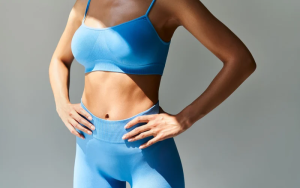
No, fajas don't help you lose weight—any slimming effect comes from temporary water loss and compression, not actual fat burning, and it disappears the moment you take the garment off.
Keep reading to see what the science says about how fajas really work, where they can help, and where they can't.
What Fajas Actually Are
“Faja” is simply the Spanish word for a compression or shaping garment, but the term now gets used interchangeably with waist trainer, cincher, girdle, and shapewear across the beauty and fitness world.
These names all describe products built around the same basic idea: squeeze the midsection to change how it looks.
There are two distinct categories worth knowing apart:
- Everyday shapewear and waist trainers — made from stretchy materials like spandex, nylon, latex, or neoprene, sometimes reinforced with hooks, zippers, or boning for extra structure. Prices range from around $20 for basic versions to over $100 for premium brands.
- Medical-grade post-surgical garments — prescribed after procedures like liposuction or a BBL, designed for healing rather than everyday wear.
The intended use also differs sharply. Shapewear is meant for short-term smoothing under clothes for a few hours, while waist trainers are marketed for prolonged daily wear over weeks or months, with claims of gradually “training” the waist into a smaller shape.
Medical versions look different too. A BBL-specific faja, for example, includes an open-seat cutout so it doesn't compress the fat grafts a surgeon just transferred — a detail that shows how far these garments have evolved from the shapewear sold for a night out.
Why the “Weight Loss” Claims Don't Hold Up
Three real effects explain why fajas seem to work, even though none of them involve losing fat:
- Compression physically reshapes your midsection while you're wearing it, then reverses the instant you take it off.
- Sweating causes temporary water loss that shows up as a lower number on the scale.
- Appetite suppression happens because a squeezed stomach has less room for food, so you naturally eat less.
None of these amounts to fat loss, and none of them last.
The sweating effect deserves a closer look, since it's the most misunderstood. Sweat is your body's cooling system, not a fat-burning process — it's water leaving your system, not fat. Whatever weight drops from sweating comes right back once you rehydrate.
The idea that compression can target fat in one specific area is equally flawed. Fat gets stored and burned across your whole body based on overall calorie balance, genetics, and hormones — squeezing your waist has no influence on where fat comes from.
As for claims that fajas “boost metabolism,” a review covering 183 studies on compression garments found no meaningful evidence that they change how your body burns calories, along with no significant effects on blood pressure, heart rate, or cardiovascular measures.
And while appetite suppression is real, it's just mechanical pressure limiting food intake, not a sustainable or healthy way to manage weight. The only method that actually reduces fat is a sustained calorie deficit, built through consistent diet and physical activity over time.
Temporary Appearance vs. Real Fat Loss
Put on a faja and your waist looks smaller right away. That's not an illusion — the compression is genuinely pulling your midsection in.
The catch is what happens next: take the garment off, and your waist goes right back to its original size and shape, usually within minutes.
Think of it like wearing a night-out faja under a dress. You look slimmer for the evening, but nothing has actually changed about your body by the time you get home and take it off. The fat is still there, just temporarily rearranged rather than reduced.
That rearranging is worth understanding on its own. Compression can make fat look more compact by pushing it into a tighter space, but the amount of fat stays exactly the same.
The pressure has to go somewhere, though, and that's where it gets more concerning — tight compression can shift internal organs out of their normal position, even though it has zero effect on fat tissue itself.
Lasting change in your waistline only comes from actually losing fat, which requires the kind of sustained calorie deficit no garment can create.
The One Legitimate Use — Post-Surgical Recovery
There's exactly one situation where fajas earn a real medical role: recovering from body-contouring surgery. Surgeons routinely prescribe them after procedures like liposuction, tummy tucks, and BBLs to manage swelling and give healing tissue extra support as it settles into its new shape.
It's worth being precise about what's happening here. The garment isn't removing any fat — the surgery already did that. What the faja does afterward is help your body recover from the procedure, which is a completely different job from fat reduction.
Recovery protocols typically involve staged compression, starting with lower pressure right after surgery and gradually increasing it over the following weeks as tissue heals.
That said, the evidence behind this common practice isn't as solid as its popularity suggests:
- Some studies have found no meaningful difference in swelling between patients who wore compression garments and those who didn't.
- One study even found less swelling in patients who skipped compression altogether.
None of this means post-surgical fajas are useless — surgeons still rely on them widely, and clinical judgment matters here. It does mean patients should follow their own surgeon's specific instructions rather than assuming more compression is automatically better.
Health Risks of Wearing Fajas Too Often or Too Tight
Beyond just not working for weight loss, wearing a faja too often or too tight can actually cause harm. The risks scale with how long and how snugly you wear one, and they touch several systems in your body:
- Breathing restriction. Small studies have measured meaningful drops in lung capacity while wearing waist trainers, with some estimates putting the reduction as high as 30 to 60% during use. That's a significant amount of breathing capacity to give up for a smaller-looking waist.
- Digestive issues. Compressing your stomach and intestines can trap gas, cause bloating, and push stomach acid upward, worsening or triggering reflux. Digestion slows down when there's less room for things to move normally.
- Core weakening. When a garment does the work of holding your trunk upright, your abdominal and back muscles do less of it themselves. Over time, that can weaken your core and contribute to back pain or poor posture.
- Organ compression. Prolonged tight wear can put pressure on the liver, kidneys, pancreas, and spleen, potentially shifting them out of their normal position.
- Skin irritation. Non-breathable synthetic materials trap sweat and friction against the skin, leading to irritation, chafing, or allergic reactions in some people.
Certain groups face higher stakes. Pregnant individuals and anyone with respiratory, heart, or digestive conditions should be especially cautious, since compression can worsen existing issues in these areas.
The safest approach is to treat fajas as occasional wear — a couple of hours at most, and never overnight or for consecutive days.
How to Use a Faja the Right Way
How you should use a faja, if at all, depends entirely on what you're trying to achieve:
- For weight loss — skip the faja and put that effort into diet and exercise instead, since that's the only combination that actually reduces fat.
- For a temporary slimmer look — wear it loosely for a few hours around a specific event, avoiding excessive tightness that strains your body for the sake of a slightly flatter silhouette.
- For post-surgical recovery — follow your surgeon's specific garment and timeline recommendations rather than generic advice, since staging and compression levels vary by procedure and individual healing.
Regardless of why you're wearing one, know when to stop. Take it off and check in with a doctor if you notice:
- Difficulty breathing
- Worsening acid reflux
- Unusual swelling
- Numbness or tingling
- Chest discomfort
- Skin irritation that doesn't resolve
At the end of the day, fajas can serve a real purpose — smoothing your silhouette for a night out or supporting recovery after surgery. What they were never built to do, and don't do, is make you lose weight.
Conclusion
Fajas can smooth your silhouette for a few hours or support healing after surgery, but they don't burn fat or produce lasting weight loss.
Any change on the scale is just water weight, and any slimmer look disappears the moment you take the garment off.
If your goal is real, lasting fat loss, a sustained calorie deficit through diet and exercise is still the only thing that actually works.