No, spitting doesn’t help you lose weight.
It only removes a small amount of water, usually a fraction of a pound, and that comes back as soon as you drink.
Keep reading to see what really happens to your body when you spit and what works better if you want to lose fat.
What Happens to Your Body When You Spit
Your saliva comes from three pairs of major glands (the parotid, submandibular and sublingual glands) along with hundreds of smaller ones spread around your mouth.
These glands make saliva from fluid pulled out of your blood supply. A healthy adult produces about 0.5 to 1.5 liters a day, and roughly 99 to 99.5% of it is water. The small remainder is a mix of electrolytes, enzymes, mucins and proteins that fight germs.
Normally you swallow most of this saliva, and your gut absorbs it again. In other words, it’s body water that gets recycled, not water your body loses. Spitting simply breaks that loop.
How much you can spit out depends on how fast your glands are working:
- At rest: about 0.3 to 0.4 mL per minute, dropping to almost nothing while you sleep
- Chewing flavored gum: 10 to 12 times the resting rate in the first minute, sliding to about 2.7 times after 20 minutes, with the boost staying meaningful for only about 55 minutes
- Sour stimulation: citric acid in the mouth pushed output to about 7 mL per minute in one experiment
There’s also a built-in limit. When you’re dehydrated, your body makes less saliva. Judo athletes who had cut more than 5% of their body mass, for example, produced much less before competing, so spitting gets harder right when people try it most.
How Much Weight Can You Actually Spit Off?
Nobody has directly measured how much weight people lose from spitting. You can still get a solid estimate from salivary flow rates, and the numbers are small:
| Time spent spitting (with gum) | Approximate loss |
|---|---|
| 20 minutes | 35 to 50 grams |
| 1 hour | 80 to 120 grams (about 0.1 kg, or a quarter pound) |
For someone weighing 60 to 80 kg, an hour of steady spitting works out to about 0.1 to 0.2% of body weight. That places spitting in the lowest tier of weight-reduction methods, at under 0.5% of body mass.
You’ll find bigger claims online. One old story describes a jockey spitting off half a pound over a few hours, and forum posts talk about “a pound or more.” None of these have been verified, and the real number is likely lower if you’re already low on fluids.
A few popular myths fall apart under the numbers:
- “Spit weighs more than water.” It doesn’t. Saliva’s specific gravity is about 1.002 to 1.008, nearly the same as water. Losing two pounds would mean spitting out close to a liter, which takes many hours.
- “Wrestlers can spit off a pound a day.” This is unverified, and even if it happened, it would be water you regain.
- Social media claims of fat loss. No trend or post offers any evidence that spitting burns fat.
Water Weight vs. Fat Loss
A lower number on the scale doesn’t always mean you’ve lost fat. To lose a pound of fat, you need a steady energy deficit of roughly 3,500 calories over time. Spitting burns almost no energy, so it can’t touch your fat stores.
What it does change is your body water. Quick weight-loss tactics like spitting, sweating or skipping fluids shift water, stored carbohydrate (glycogen) and the contents of your gut over a few hours or days.
They have little effect on fat or muscle. Research on young combat athletes points to the same result: spitting only causes a short-lived drop in total body water.
Your body doesn’t let that drop last. Thirst kicks in, you drink, and the weight returns. For athletes, that usually happens right after they step off the scale at weigh-in.
Why Athletes Spit to Make Weight, and What It Costs
In weight-class sports, spitting is a last-minute trick to shave a few grams or ounces off the scale. Athletes rarely use it alone. It usually comes alongside fluid restriction and sweating, and it’s more common when athletes get several tries to make weight.
How common it is
Spitting shows up most in wrestling, though rates vary across surveys:
- In a 2018 survey of 637 combat athletes from Brazilian jiu-jitsu, boxing, judo, MMA, Muay Thai/kickboxing, taekwondo and wrestling, 47% of wrestlers and about 19% of the others spat to cut weight.
- A 2024 survey of 350 wrestlers found about 26% spat at least rarely, but only about 5% did it often or always.
- Older U.S. high school data put spitting at 5%, while 80 to 93% of wrestlers used at least one weight-loss method and weekly swings of 5 to 10 pounds were normal.
Athletes who spit, vomit or take diet pills also tend to start cutting at a younger age, which makes spitting among minors a particular concern. Jockeys, by contrast, lean more on saunas (86%) and exercise to sweat (81%).
What dehydration does to you
Spitting hasn’t been studied on its own, but it adds to overall dehydration. Losing 2 to 3% of body mass probably causes few problems if you recover well. Past 3%, health and performance can suffer. At 3 to 6%, strength and endurance drop, and you may also notice:
- Worse mood, memory and focus, plus poorer scores on concussion screening tests
- Lower blood volume, strain on the heart, trouble controlling body temperature, electrolyte imbalance and kidney stress
- Lower testosterone and growth hormones, along with muscle loss from repeated cuts
Extreme weight cutting has been linked to deaths in wrestling, MMA, judo, taekwondo, Muay Thai and lightweight rowing.
Three healthy college wrestlers in North Carolina, Wisconsin and Michigan died between November 7 and December 9, 1997, which led to the NCAA’s weight-management rules. And whether cutting even helps athletes win is unclear, since the results are mixed.
Chew and Spit: A Warning Sign, Not a Diet
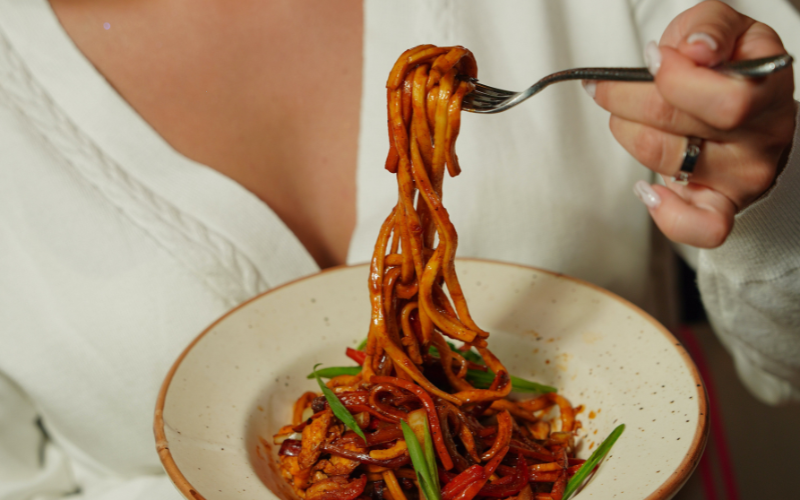
Chew and spit means chewing food, often something tasty and high in calories, then spitting it out before swallowing to avoid the calories.
Clinicians treat it as a disordered-eating behavior. It was once listed as an example of Eating Disorder Not Otherwise Specified, but newer diagnostic guidelines from 2013 dropped it as a named example.
It now falls under Other Specified or Unspecified Feeding or Eating Disorder, and it’s easy to miss unless someone asks about it directly.
The behavior appears in anorexia, bulimia and other eating disorders. It also shows up in bariatric surgery patients, people with diabetes and athletes on strict diets.
About 0.4% of adults do it, compared with 12.2% of teens aged 11 to 19 (10.2% of boys and 15.1% of girls). Rates climb in treatment settings.
For example, 34% of inpatients reported it in the month before admission, and nearly 20% did it more than once a week.
In one clinic, 24.5% of patients used it to lose weight and had more severe symptoms and more suicidal behavior. About 70% describe feeling out of control while doing it.
There’s no evidence it leads to healthy weight loss. Weight may drop from overall undereating or rise from swallowed calories and later overeating. Possible effects include:
- A small, inconsistent insulin response
- Stomach acid rising to about half its maximum output
- Tooth decay and swollen salivary glands (likely, though not well studied)
- Missing nutrients, plus shame, distress and money spent on food that’s thrown away
What to Do Instead
If you want to lose fat, the only approach that works is a steady, moderate calorie deficit paired with enough protein and regular exercise.
It’s slower, but it changes your body composition instead of your water level. Combat athletes typically aim for about 0.5 to 1 kg a week, and the NCAA limits wrestlers to 1.5% of body weight per week.
Athletes in weight-class sports can protect both health and performance with a few habits:
- Choose a weight class close to your healthy, well-hydrated weight.
- Follow your governing body’s rules. The NCAA, for instance, sets a minimum weight at 5% body fat for men, requires a hydration test (urine specific gravity of 1.020 or less), and bans saunas, rubber suits, vomiting, laxatives and diuretics.
- Plan a gradual cut with a sports dietitian. The ACSM, NATA and ISSN all favor gradual loss over dehydration, though the ISSN allows supervised water loss of 2 to 4% in fight week, a point experts still debate.
Parents and coaches should treat spitting, sweat suits, vomiting or fluid restriction as red flags.
If chew-and-spit happens often, involves large amounts of food, feels out of control, comes with restricting or purging, or leaves you feeling ashamed, talk to a clinician experienced in eating disorders and name the behavior directly.
You can also call the National Alliance for Eating Disorders helpline at 866-662-1235. NEDA’s old helpline closed in 2023 and now redirects there.
Conclusion
Spitting can nudge the scale down by a few ounces, but that’s water you’ll regain as soon as you drink, not fat you’ve lost.
For athletes, it adds to the risks of dehydration, and for anyone using chew-and-spit to avoid calories, it’s a sign worth taking seriously.
If your goal is lasting fat loss, a gradual calorie deficit, enough protein and regular exercise will get you there safely.