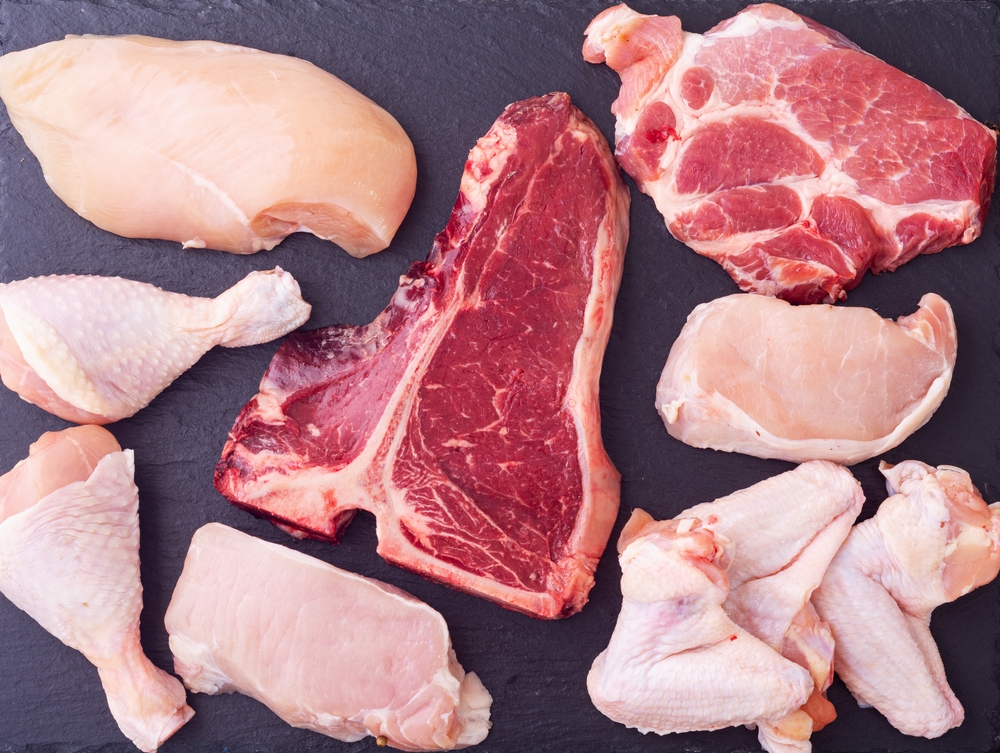
If you’re trying to lose weight and have to pick one, chicken is better than beef – it gives you more protein for fewer calories and makes hitting a deficit way easier.
Beef can absolutely work too, but chicken wins on pure fat-loss efficiency.
Keep reading and I’ll show you the exact numbers, studies, and simple meal swaps that prove it.
Calories and Protein Per Bite – The Numbers You Actually Care About
Let’s look at cooked portions (skin removed, no added oil) so you see exactly what lands on your plate.
Per 100 g benchmark:
| Calories | Protein | Fat | |
|---|---|---|---|
| Skinless chicken breast | 165 | 31 g | 3.6 g |
| Lean beef (90-95% lean) | 176–180 | 26–29 g | 8–10 g |
That 15-calorie gap looks tiny until you run the protein-per-calorie ratio:
- Chicken: 0.188 g protein per calorie
- Beef: 0.15–0.16 g protein per calorie
Translation: every calorie from chicken buys you roughly 20–25 % more protein.
Real portion example (150 g – a normal dinner size):
- Chicken breast → 248 calories, 46 g protein
- Lean beef → 270 calories, 40–43 g protein
You get 3–6 extra grams of protein and save 20–25 calories with chicken.
Do that three times a week and you’re quietly cutting 300–400 calories without eating less food.
That’s the hidden math most people miss.
What Science Actually Says (Not What Fitness Influencers Claim)
Controlled studies cut through the noise.
- 12-week randomized trial, 61 overweight women, 500-calorie deficit: Beef group lost 5.6 kg Chicken group lost 6.0 kg → 400 g difference over 3 months = statistically insignificant
- 3-month crossover study (lean beef, pork, chicken) with matched calories and protein: All groups dropped 1–2 % body fat Zero meaningful differences in waist circumference or lean mass
Both meats deliver the same proven benefits when intake is equal:
- Thermic effect of 20–30 % (you burn more digesting protein)
- Similar drops in ghrelin (hunger hormone)
- Identical muscle retention during a deficit
Researchers’ consensus is blunt: once total calories and daily protein are controlled, the animal source doesn’t move the needle on fat loss.
The winner is whichever one you’ll actually eat consistently.
When Chicken Wins Hands-Down (And It Usually Does)
Chicken pulls ahead whenever calories are tight.
- Same 30–40 g protein portion: chicken costs you 180–250 cal, lean beef costs 220–290 cal
- Saturated fat drops from 3–4 g (beef) to about 1 g (chicken) per 100 g — easier to stay under the 10 % guideline without tracking every gram
- You get real volume: a 200 g chicken breast is still only ~330 cal, leaving room for rice, veggies, or sauce that would blow a beef meal over target
Weekly impact example Swap beef for chicken in three dinners (same protein, no other changes): You save 50–100 cal per meal → 150–300 cal per week → 0.1–0.2 kg extra fat loss per month, no extra hunger or effort.
That’s why, for pure deficit precision and bigger portions, chicken is the default winner for most people cutting hard.
When Beef Is the Smarter Choice for You
Beef shines in four practical situations:
- Low iron or constant fatigue: 100 g lean beef delivers 2.7 mg heme iron (25–30 % of daily needs) vs only 1 mg from chicken – the difference can fix low energy and poor workouts fast
- You hate bland food: the extra 5–7 g fat per portion adds flavor and slows digestion, so you stay full longer with smaller servings
- Heavy lifting or high-intensity sessions: beef’s higher natural creatine, zinc, and B12 support strength and recovery better than chicken alone
- Calorie counting feels like a chore: a 120 g portion of lean beef satisfies most people more than 180 g chicken, making a relaxed 400–500 calorie deficit easier to stick to long-term
If any of those hit home, beef isn’t just “allowed” – it’s often the better tool for sustainable progress.
How to Use Both Without Overthinking It
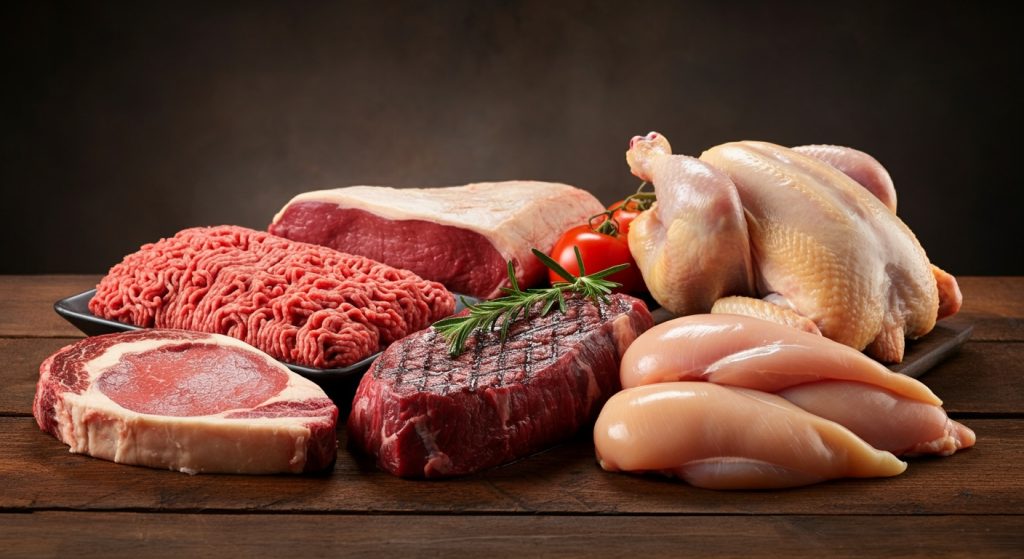
Stop complicating it – just follow this split and you’ll hit protein targets while staying in a deficit.
Simple weekly framework
- 4–5 chicken meals (workout days or when you want max volume)
- 2–3 beef meals (recovery days or when you crave flavor)
Portion cheat sheet (cooked weight)
- Chicken breast: 5–6 oz (140–170 g) → 230–280 cal, 40–48 g protein
- Lean beef (93%+): 3.5–4 oz (100–115 g) → 190–220 cal, 28–32 g protein
Zero-dryness prep tricks (both meats)
- Chicken: brine 20 min in salt water, bake at 375 °F on a rack, finish with lemon/herb spray
- Beef: pat dry, high-heat sear 90 sec per side, rest 5 min, slice thin against grain
Ready-to-eat meal examples (total calories listed) Chicken day (high volume): 5.5 oz grilled chicken breast + 1½ cups roasted broccoli + ½ cup cooked rice → 460 cal, 48 g protein
Beef day (max satisfaction): 4 oz broiled top sirloin + huge spinach salad + 1 tbsp balsamic + ¼ avocado → 390 cal, 34 g protein
Alternate these, hit 1.6–2.2 g protein per kg body weight daily, and you’re done – no spreadsheets required.
The One Rule That Beats Choosing “The Best” Meat
Everything else is noise if you ignore these four non-negotiables:
- Protein: 1.6–2.2 g per kg body weight every day (mix chicken, beef, eggs, whatever – just hit the number)
- Deficit: 300–500 calories below true maintenance (track accurately for 10–14 days to find yours, then lock it in)
- Movement: 150+ min moderate cardio OR 3–4 resistance sessions per week (both multiply fat loss 20–30 %)
- Progress marker: waist measurement every 14 days (scale weight lies when you’re protecting or building muscle)
Do those four things and the chicken-vs-beef debate becomes irrelevant.
Bottom line: eat the one you’ll actually look forward to day after day. Consistency over months destroys perfect macros for weeks. Pick your favorite, stick to the rules above, and the fat comes off.
Conclusion
Chicken gives you the calorie edge, beef brings the nutrients and satisfaction — both work when you control the totals.
Follow the simple protein, deficit, and movement rules and you’ll lose fat either way.
Choose the one you’ll actually eat for the next six months and you’ve already won.