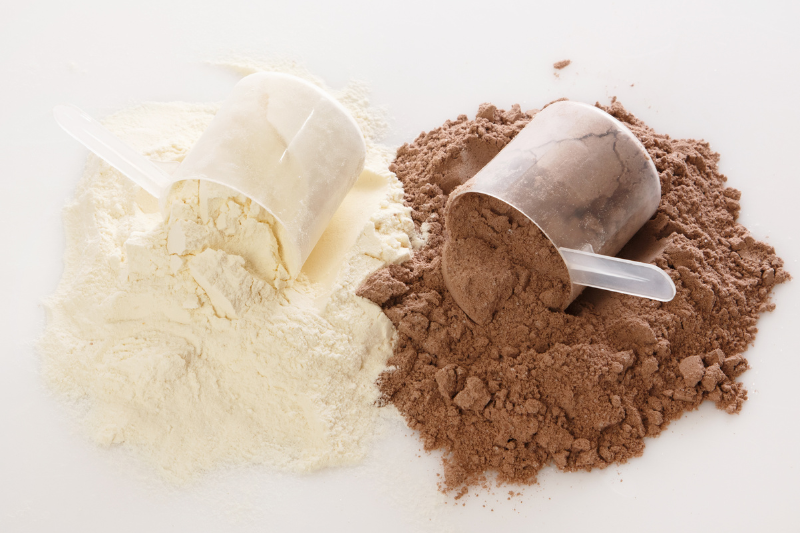
The best things to mix protein powder with for weight loss are water, unsweetened almond milk, or cold brew coffee as your base, plus add-ins like spinach, chia seeds, and berries to keep you full without loading up on calories.
Keep reading to see exactly how to build a shake that actually supports your goals — and what to avoid putting in it.
Why What You Mix With Protein Powder Actually Matters for Weight Loss
The protein powder itself isn't doing all the work — your mixer is. Whether your shake supports weight loss comes down to how well it keeps you in a calorie deficit, and that depends almost entirely on what you add to it.
Here's something worth knowing: your brain doesn't process liquid calories the same way it processes solid food.
This is sometimes called the “liquid satiety paradox,” and it explains why a basic protein-and-water shake can leave you hungry again within 45 minutes. You consumed the calories, but your body didn't quite register them as a meal.
The fix isn't complicated. A shake built around three things — protein, fiber, and a small amount of healthy fat — slows digestion enough that your body actually feels fed.
That combination is what separates a shake that holds you over for three to four hours from one that sends you to the pantry an hour later.
Think of it less like mixing a drink and more like assembling a meal. The powder is just the starting point.
The Best Liquid Bases, Ranked by Calorie Impact
Your base sets the calorie floor for the entire shake, so it's worth choosing deliberately. Here's how the most common options stack up:
- Water — Zero calories, no sugar, nothing to track. Mix one scoop with 15–20 oz for the best consistency. If calorie control is your main priority, this is the straightforward choice.
- Black coffee or cold brew — Also zero calories, but with the added benefit of caffeine, which has a mild thermogenic effect that supports fat burning. A 50/50 mix of cold brew and water works well as a morning shake base or pre-workout option.
- Unsweetened non-dairy milk (almond, oat, coconut, or soy) — Low in calories when you stick to unsweetened versions, and the neutral flavor pairs well with most protein powders. Among these, unsweetened almond milk is the lowest-calorie option.
- Unsweetened coconut water — Adds a small number of calories but brings natural electrolytes, specifically sodium and potassium. Worth considering if you're training hard and sweating regularly.
- Skim or low-fat dairy milk — The highest-calorie option on this list, but it earns its place. A cup of 2% milk adds 8 grams of protein on top of your powder, plus calcium, vitamin D, and potassium. If you want a thicker, more filling shake and have the calorie room for it, this is a solid pick.
One thing to pay attention to across all of these: the word “unsweetened.” Flavored or sweetened versions of any plant-based milk can quietly add sugar and calories that work against your deficit before you've even added the powder.
Add-Ins That Actually Support Weight Loss
The right add-ins do more than improve flavor — they're what turn a basic protein shake into something that actually keeps you full. Each one below pulls its weight in a specific way.
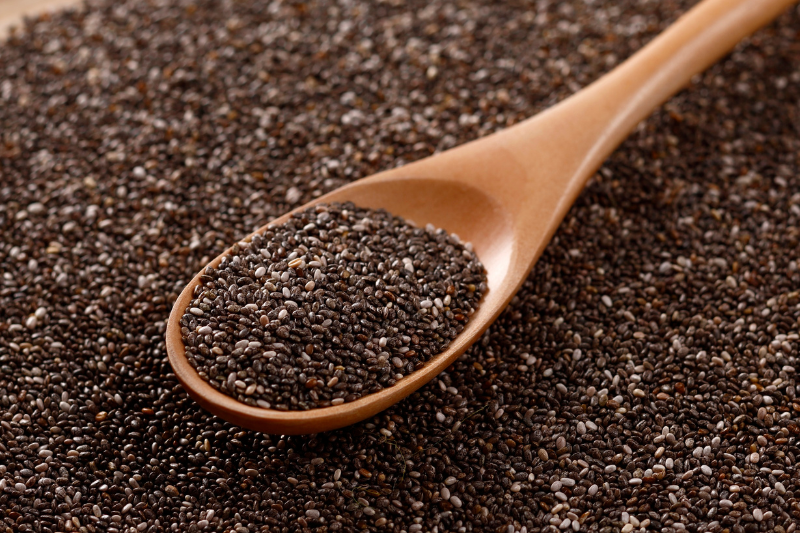
Fiber-rich seeds like chia seeds or ground flaxseed are one of the most practical additions you can make. A single tablespoon slows how quickly your stomach empties, which extends the feeling of fullness well past when you finish the shake. Small addition, noticeable difference.
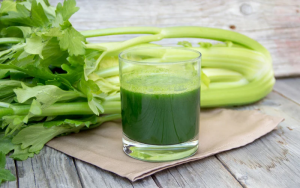
Leafy greens — spinach and kale in particular — are about as close to a free addition as you'll find. They blend smoothly, are largely tasteless in a shake, and bring fiber, vitamin C, vitamin K, and iron without meaningfully adding to your calorie count. A full cup adds volume and nutrition for almost nothing.
Frozen cauliflower is underrated here. It creates a thick, creamy texture similar to banana but without the sugar load — worth trying if you want body in your shake without the extra carbs.
For healthy fats, think almond butter or a small amount of avocado. These slow protein absorption and help you maintain steady energy rather than a quick spike and drop. The catch is portion size — a teaspoon or half a tablespoon is enough. Both are calorie-dense, so measure rather than eyeball.
Greek yogurt or cottage cheese adds creaminess along with real nutritional value. Cottage cheese in particular is worth trying — half a cup brings 12 grams of protein and a smooth texture, making it one of the more efficient add-ins if you want to push the protein content higher.
For fruit, berries are the best call. Strawberries, blueberries, and raspberries are low in calories, high in antioxidants, and add natural sweetness without spiking your sugar intake. If you prefer banana for the creaminess, keep it to half — a whole banana adds more sugar than most people account for.
A Simple Formula for a Weight-Loss Shake That Works
Strip away the noise and a well-built weight-loss shake comes down to three components: protein powder, a fiber source, and a small amount of healthy fat.
That combination slows digestion, manages hunger, and keeps your calories controlled — everything else is optional.
Here's what that looks like in practice:
- 1 scoop protein powder (20–25g protein)
- 8–10 oz unsweetened almond milk or water
- 1 cup frozen spinach or kale
- ½ cup frozen mixed berries
- 1 tbsp chia seeds or ground flaxseed
- Ice to thicken
This hits the target range of 300–400 calories per shake — enough to keep you full and energized without pushing you out of a calorie deficit.
That range is the sweet spot for a meal-replacement shake when weight loss is the goal. Go much lower and it won't hold you over; go higher and it starts competing with the rest of your daily intake.
The other thing worth noting: frozen ingredients do more than add convenience. Frozen spinach, cauliflower, and berries blend into a thicker consistency than their fresh counterparts, which makes the shake feel more substantial without adding anything extra.
Use this as a base and adjust from there. Swap the berries for frozen cauliflower if you want less sugar. Add cottage cheese if you need more protein.
Change the liquid based on your calorie budget. The formula stays the same — you're just dialing in the details.
What Not to Mix In (And Why It Backfires)
Building a good shake is partly about what you leave out. A few common additions can quietly undermine your progress even when everything else looks right.
Sweetened liquids are the most obvious problem. Flavored milks, fruit juices, and sweetened plant-based milks spike blood glucose and insulin, which leads to energy crashes and, over time, makes it harder to stay in a deficit. They also add calories that don't do much for fullness — exactly the opposite of what you're going for.
Dried fruits and excess nut butter are trickier because they seem healthy. And they are, in reasonable amounts — but both are easy to overdo. A generous pour of almond butter or a handful of dried mango can add several hundred calories before you've noticed, and neither will keep you nearly as full as the same calories from protein or fiber would.
The problem isn't always what you add, though — sometimes it's the powder itself. Certain protein products contain up to 23 grams of added sugar per scoop, and mixed with milk, that can push a single shake past 1,200 calories. That's not a weight-loss shake; that's a meal and a half. Always read the nutrition label before buying, not just the front of the tub.
The broader point is this: measure your ingredients. It's easy to assemble something that tastes like a treat and assume it's still on track.
If you're not tracking what goes in, you're likely consuming more than you think — and that's where a lot of people stall.
A Few Final Habits That Make the Shake Work Better
Getting the ingredients right matters, but how you consume the shake — and what powder you start with — affects how well it actually works.
Slow down when you drink it. Your brain needs roughly 15–20 minutes to register that you've eaten, and liquid goes down faster than solid food. If you finish a shake in two minutes, you're likely to feel hungry sooner than you should. Sip it slowly, or if you've made something thick enough, use a spoon. The shake is the same either way — how full you feel afterward isn't.
Staying hydrated between shakes also matters more than most people account for. Dehydration frequently mimics hunger, so if you're not drinking enough water throughout the day, you may find yourself reaching for food when your body actually just needs fluids.
Water supports digestion and helps your metabolism function properly — it's a simple habit that quietly supports everything else you're doing.
On the powder itself: ignore the marketing and go straight to the label. Products marketed specifically for weight loss are often lower quality than standard protein powders, not higher.
What you're looking for is straightforward — at least 20 grams of protein per scoop and no more than 2–3 grams of sugar. More sugar than that and you risk the kind of insulin spike that leads to cravings and energy dips, which makes sticking to a deficit harder than it needs to be.
The shake is a tool. Like any tool, it works better when you use it correctly.
Conclusion
Building a shake that supports weight loss isn't complicated — it comes down to a smart base, the right add-ins, and keeping added sugar low.
Stick to the formula, measure your ingredients, and treat the shake as a meal rather than an afterthought. Do that consistently, and it becomes one of the easier parts of staying on track.