You can mix apple cider vinegar with water, lemon juice, raw honey, ginger, cinnamon, green tea, or cayenne pepper to support weight loss — each adding its own metabolic or digestive benefits on top of what ACV already does.
Keep reading to find out exactly how to combine these ingredients, when to drink them, and how much to take to get the best results without harming your health.
What the Science Actually Says About ACV and Weight Loss
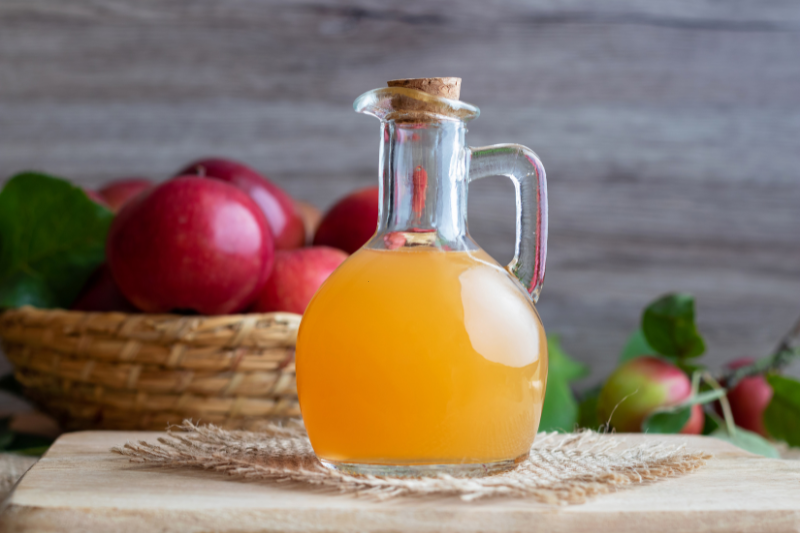
The active compound in ACV is acetic acid, which forms during fermentation.
Most of the research around ACV and weight loss points back to this single ingredient and two things it appears to do well: slow the digestion of carbohydrates, which leads to a more gradual rise in blood sugar and greater feelings of fullness after eating, and improve insulin sensitivity, which helps prevent the body from storing excess glucose as fat.
That second point is especially relevant for people managing insulin resistance or type 2 diabetes.
The human research is modest but consistent. A study of 175 people found that drinking 1–2 tablespoons of ACV daily for three months produced 2–4 pounds of weight loss and lower triglyceride levels compared to those who drank none.
A 2025 meta-analysis covering 10 randomized controlled trials and 789 participants found that daily ACV intake meaningfully reduced body weight, BMI, and waist circumference across the board.
That said, ACV isn't doing the heavy lifting on its own — it works best as a complement to solid nutrition and regular exercise, not a replacement for either.
The Best Things to Mix with ACV for Weight Loss
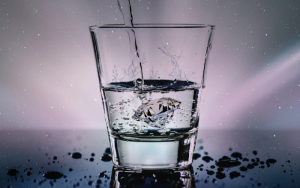
Water is the starting point for every ACV drink — not optional, not negotiable. Drinking ACV straight can erode tooth enamel and irritate your throat, so always dilute 1–2 tablespoons in at least 8 oz of water. Drink it 15–30 minutes before your largest meal to help curb appetite and support digestion.
From there, the ingredients you add can do more than just improve the taste. Here are the best options and what each one actually brings to the table:
Lemon juice adds vitamin C, antioxidants, and natural enzymes that support digestion. Fresh lemon is worth the extra step — bottled juice loses much of its vitamin C during processing and lacks the bioflavonoids you get from freshly squeezed. Add the juice of half a lemon to your ACV water for a simple, effective combination.
Raw honey is mainly here to make ACV drinkable if you struggle with the taste. It has antimicrobial properties and can help curb cravings, but it's high in sugar, so keep it to 1 teaspoon at most. Raw honey is preferable over processed varieties, and if you're watching your blood sugar, skip it altogether.
Ginger brings two useful properties — it's anti-inflammatory and thermogenic, meaning it can gently raise body temperature and support metabolism. Steep fresh ginger slices in hot water, let it cool slightly, then add your ACV. One small addition worth knowing: a pinch of black pepper increases ginger's bioavailability by up to 200%, making this combination noticeably more effective.
Cinnamon helps regulate blood sugar, which pairs naturally with ACV's effect on insulin sensitivity. Use Ceylon cinnamon rather than the more common cassia variety — cassia contains higher levels of coumarin, a compound that can be problematic in regular doses. A quarter teaspoon in your ACV water is enough.
Green tea adds catechins and a small amount of caffeine, both of which have been shown to boost calorie burn and fat oxidation. One important step: let the tea cool to warm before stirring in your ACV. Boiling water can damage ACV's beneficial bacteria, reducing its effectiveness.
Cayenne pepper contains capsaicin, which can increase calorie burn for up to three hours after consumption and may help reduce appetite when combined with ACV. Start with just 1/16 of a teaspoon — it's more intense than it looks. A squeeze of lemon or a small amount of honey can help offset the heat.
Finally, if drinking ACV doesn't agree with your stomach, adding it to food is a practical alternative.
A simple dressing of 2 tablespoons ACV, 1 tablespoon olive oil, a teaspoon of Dijon mustard, and a pinch of salt and pepper gives you the benefits without the drink.
When to Drink ACV for Best Results
Timing matters more than most people realize. The most effective window is 15–30 minutes before your largest meal, when ACV can slow carb digestion and take the edge off your appetite before you eat.
If you're spreading your daily intake across 2–3 smaller doses — which is generally easier on the stomach — that pre-meal window is still the one to prioritize.
Drinking it first thing in the morning on an empty stomach is another common approach, and it can help with appetite control and digestion throughout the day.
If you have acid reflux or a sensitive stomach, though, take it with food instead — the benefits are largely the same, and it's not worth the discomfort.
How Much ACV Should You Actually Take?
The recommended daily range is 1–2 tablespoons (15–30 mL), split across 2–3 doses rather than taken all at once.
If you're new to it, start with just 1 teaspoon diluted in a large glass of water and give your body a few days to adjust before working up to the full amount.
Research supports safe use for up to 12 weeks — beyond that, the evidence gets thinner. More is not better here.
Exceeding 2 tablespoons a day raises the risk of tooth enamel erosion, digestive irritation, and interactions with certain medications. Stick to the range, stay consistent, and let the habit build gradually.
Safety Precautions You Shouldn't Skip
ACV is safe for most people when used correctly, but a few habits are worth building from the start. Always dilute it — drinking it straight can erode tooth enamel and irritate your throat and stomach lining.
Using a straw reduces direct contact with your teeth, and rinsing your mouth with plain water afterward helps neutralize any remaining acidity.
Taking too much too soon is the most common reason people experience nausea or digestive discomfort. Start low, increase gradually, and stay within the 1–2 tablespoon daily limit.
A few specific cautions to keep in mind:
- Medications: ACV can interact with diuretics and insulin, so check with your doctor if you're on either.
- Supplements: It may interfere with licorice and horsetail supplements and can lower potassium levels with regular use.
- Tablets and capsules: Avoid these entirely — they carry a risk of esophageal burns and don't offer reliable dosing the way liquid does.
The Bottom Line — How to Make ACV Work for You
ACV is a legitimate, evidence-backed tool for supporting weight loss — but it's a support tool, not a solution.
It won't override a poor diet, offset inactivity, or address hormonal and age-related weight challenges on its own. What it can do is complement a consistent, healthy routine in a meaningful way.
The most practical combinations are ACV with water as your base, adding lemon, ginger, cinnamon, or green tea for extra metabolic and digestive benefits. Keep honey to a minimum, always dilute, and never go beyond 2 tablespoons a day.
If you're on medication or managing a condition like diabetes or insulin resistance, talk to your doctor before adding ACV to your routine. Used correctly and consistently, it's a simple, low-cost habit worth building — just don't expect it to do the work for you.