Corn isn't bad for weight loss when you eat it in its whole form, watch your portions, and prepare it without loads of butter or oil—but processed corn products and overconsumption will absolutely work against you.
Whether corn helps or hurts your weight loss comes down to which type you choose, how much you eat, when you eat it, and what you pair it with.
Keep reading to learn exactly how to make corn work for your weight loss goals instead of against them.
The Truth About Corn and Weight Loss
Here's what you need to understand right away: corn isn't your enemy.
When you eat it properly, this yellow kernel can actually fit into a successful weight loss plan without sabotaging your progress.
The problem isn't corn itself—it's how most people consume it.
One medium ear of corn delivers only 77-122 calories, which puts it in the same ballpark as an apple or a small banana.
That's hardly diet-breaking territory.
Whole, minimally processed corn brings fiber, nutrients, and satisfying bulk to your meals without the caloric punch of denser carbohydrate sources.
But here's where things get interesting. Four specific factors determine whether corn helps or hurts your weight loss:
Form – Fresh corn on the cob versus high-fructose corn syrup creates completely different outcomes in your body
Preparation – Steamed kernels versus butter-drenched movie popcorn changes the calorie equation dramatically
Portion size – One cup of kernels versus three cups shifts corn from reasonable to excessive
Timing – Eating corn at breakfast versus right before bed affects how your body processes those carbohydrates
Most people never consider these distinctions.
They either avoid corn completely, thinking all carbs are bad, or they eat it freely without recognizing that portion control still matters.
Neither approach works particularly well.
The sweet spot lives somewhere in the middle, where you understand corn's role in your overall eating pattern and use it strategically rather than carelessly.
Why Corn Can Support Your Weight Loss Journey
Corn delivers something most weight loss foods promise but rarely provide: genuine staying power.
Each serving packs 2-5 grams of fiber—both soluble and insoluble—that slows down digestion and keeps you satisfied long after your meal ends.
This isn't just theoretical comfort.
When your stomach takes longer to empty, you naturally eat less at your next meal and feel less tempted to raid the snack drawer between lunch and dinner.
The blood sugar story makes corn even more interesting.
With a glycemic index hovering around 52-55, corn sits in the low to moderate range, meaning it won't send your glucose levels on a roller coaster ride.
You avoid those sharp spikes followed by crashes that leave you shaky, irritable, and desperately craving whatever carbs you can find.
The glycemic load of 10.5 per typical serving reinforces this advantage—corn releases its energy gradually rather than all at once, which keeps most dieters well within their management targets.
Beyond keeping you full, corn brings substantial nutritional firepower to your plate.
You're getting B vitamins that include thiamin, niacin, folate, and B6, all working to support your metabolism and energy production when you're running on a calorie deficit.
Vitamin C, magnesium, and potassium join the mix, along with antioxidants like lutein and zeaxanthin.
These aren't just nice-to-have nutrients—they're the building blocks your body needs to function efficiently during weight loss.
Recent scientific findings add another dimension to corn's benefits:
Research from 2024 revealed that native corn rich in bioactive compounds produces anti-inflammatory effects in the body.
Studies using mice fed high-fat diets alongside corn extract showed reduced formation of new fat cells and decreased inflammation related to excess body fat.
While mouse studies don't always translate directly to humans, the anti-inflammatory angle matters because chronic inflammation can slow your metabolism and make weight loss harder.
Corn also functions as a prebiotic, feeding the beneficial bacteria in your gut.
When your gut microbiome stays balanced, these bacteria release short-chain fatty acids that may help reduce your appetite and overall food intake.
An imbalance in gut bacteria has been linked to diet-induced obesity, which means supporting your microbiome through prebiotics like corn could give you an edge in controlling hunger naturally rather than through pure willpower alone.
The Downsides: When Corn Works Against Weight Loss
Every serving of corn delivers 17-21 grams of carbohydrates, which immediately sets it apart from the vegetables most dietitians recommend loading up on.
Compare that to broccoli, leafy greens, or cucumbers, and you'll see the gap—corn packs significantly more carbs per bite.
If you're following a very low-carb or ketogenic diet where you're capping carbs at 20-50 grams daily, a single cup of corn can consume nearly half your entire allowance.
That math simply doesn't work for strict low-carb approaches.
The starch content creates another complication.
As a starchy vegetable, corn can push your blood sugar higher than you might expect, especially when you eat it in large amounts.
One study tracked people who ate corn daily and found they gained approximately 2 pounds over time—not massive, but enough to show that unlimited corn consumption has consequences.
Portion control isn't optional with corn; it's the difference between supporting your goals and quietly undermining them.
Calorie density tells an uncomfortable story when you compare corn to other vegetables:
- Green beans or broccoli: Corn contains roughly four times the calories
- Carrots: Corn delivers about twice the calories for the same volume
You can fill a plate with green beans and barely make a dent in your daily calorie budget.
Fill that same plate with corn and you've consumed substantially more energy.
This matters when you're trying to create the calorie deficit needed for weight loss—volume and satiety per calorie become critical factors.
Protein presents yet another weakness.
Corn provides only 2.3-8 grams of protein per serving, making it a poor choice if you're relying on it as anything more than a side dish.
Protein keeps you full, preserves muscle mass during weight loss, and requires more energy to digest than carbohydrates do.
Corn alone won't deliver these benefits.
You need to pair it with chicken, fish, tofu, beans, or other protein-rich foods to round out your meal properly.
These downsides don't make corn terrible, but they do require you to think strategically.
Corn works when it's part of a balanced meal, eaten in controlled portions, and not treated like a free-for-all vegetable you can eat endlessly without consequences.
Processed vs. Whole Corn: The Make-or-Break Distinction
This is where most people get corn completely wrong.
The difference between whole corn and processed corn products isn't a minor detail—it's the entire ballgame.
You could eat corn in its whole form and support your weight loss, or you could eat processed corn derivatives and actively sabotage yourself.
Same plant, radically different outcomes.
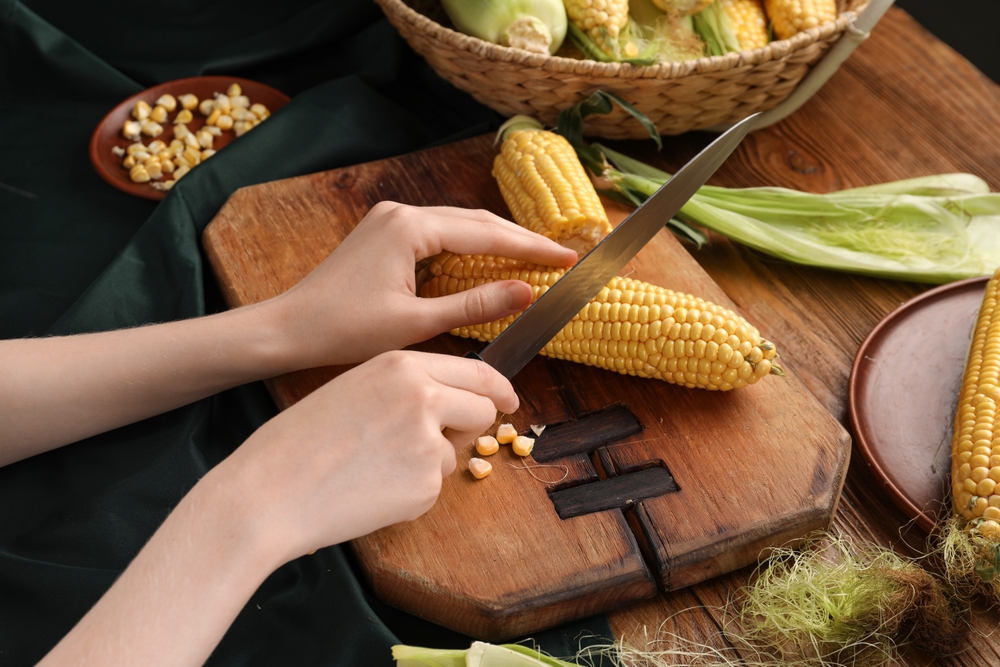
Whole corn keeps its fiber intact, maintains its nutrient profile, and delivers the benefits we discussed earlier.
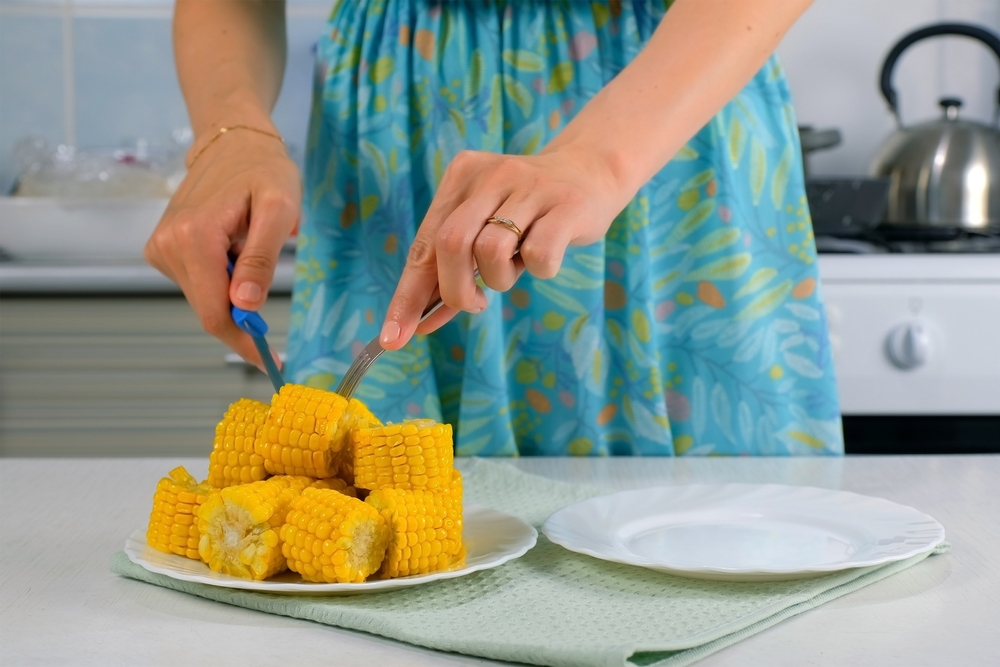
When you boil, grill, or steam corn on the cob without drowning it in butter, you're getting a vegetable that works with your body.
Fresh or frozen corn kernels that you add to salads or stir-fries? Same story.
Air-popped popcorn seasoned with herbs instead of movie theater butter? Still in the safe zone.
Even whole grain cornmeal products and plain corn tortillas can fit into a weight loss plan when you eat them mindfully.
Then you have the processed forms that masquerade as corn but function more like junk food:
High-fructose corn syrup lurking in sodas, candies, and countless processed foods delivers pure liquid calories without any of corn's redeeming qualities.
Corn chips, even the ones marketed as “natural,” come loaded with oils and salt that turn a potentially decent food into a calorie bomb.
Movie theater popcorn drenched in butter can pack more calories than a full meal.
Creamed corn with added sugars transforms a vegetable into a dessert.
Corn oil used liberally in cooking adds fat calories that sneak up on you quickly.
What happens during processing?
Manufacturers strip away the fiber and protein that make whole corn beneficial, then add back fats, sugars, and sodium to improve taste and shelf life.
You end up with a product that contains significant calories but none of the satiety or nutritional value of the original plant.
These processed forms also trigger inflammation in your body, which slows your metabolism and creates an environment where weight gain becomes easier and weight loss harder.
The practical lesson here is brutally simple: if your corn looks like it grew that way, you're probably fine.
If it's been industrially transformed into syrup, chips, or heavily processed snacks, it's working against you.
The label on the package matters far more than the fact that corn appears somewhere in the ingredient list.
Smart Strategies for Eating Corn While Losing Weight
Now that you know corn can work for or against you, here's exactly how to use it strategically.
Portion control comes first.
Limit yourself to one medium ear or one cup of kernels per day maximum.
If you're using corn as a side dish rather than a main component, a half cup of kernels gives you the flavor and nutrients without overdoing the carbohydrates.
Want a snack? Three cups of air-popped popcorn delivers only 95 calories while giving you that satisfying crunch and volume.
These aren't suggestions—they're the upper boundaries that separate helpful from counterproductive.
Preparation method determines whether your corn stays diet-friendly or becomes a calorie disaster.
Steaming or boiling without added fats preserves all the nutrients while keeping calories minimal.
Grilling or roasting works well too, but use just a light brush of olive oil rather than drowning the corn in butter.
You can also toss corn kernels into salads, soups, and stir-fries alongside other vegetables to distribute the corn throughout your meal rather than making it the centerpiece.
For popcorn lovers, air-popping changes everything.
Season it with herbs, spices, or a small amount of nutritional yeast instead of reaching for butter.
The foods you need to avoid are predictable but worth stating clearly: excessive butter, cheese, or mayonnaise toppings turn corn into a calorie bomb.
Skip frying or cooking in large amounts of oil.
Stay away from heavy cream-based preparations and salt-heavy seasonings that make you retain water and crave more food.
When you eat corn matters more than most people realize.
Your body handles carbohydrates differently throughout the day based on insulin sensitivity and metabolic patterns.
Breakfast or as a mid-morning snack represents the optimal window for corn consumption.
Your insulin sensitivity peaks earlier in the day, which means you'll process those carbohydrates more efficiently and maintain more stable blood sugar levels.
Late-night corn eating creates problems.
Your body may not fully digest those calories before you sleep, potentially leading to fat storage rather than energy use.
Research shows that eating dinner within two hours of bedtime decreases glucose tolerance, making it harder for your body to handle the carbohydrates properly.
If you want corn, move it to earlier meals.
Strategic pairing transforms corn from a standalone side dish into part of a balanced, weight-loss-friendly meal.
Combine corn with lean proteins like chicken, fish, tofu, or beans—the protein slows down how quickly your body absorbs the carbohydrates, preventing blood sugar spikes.
Add healthy fats from sources like avocado or a drizzle of olive oil to increase satiety and keep you satisfied longer.
Include plenty of non-starchy vegetables like broccoli, peppers, or leafy greens to boost the fiber content and reduce the overall calorie density of your plate.
This combination approach accomplishes three things simultaneously: it stabilizes your blood sugar, keeps you fuller between meals, and provides complete nutrition instead of just carbohydrates.
Corn eaten alone behaves differently in your body than corn eaten as part of a thoughtfully constructed meal.
Your Action Plan: Making Corn Work for Your Weight Loss Goals
Before you add corn to your weight loss plan, you need to know whether it's even appropriate for your situation.
Some contexts make corn a poor choice regardless of how carefully you prepare it.
Very low-carb and ketogenic diets leave no room for corn's 17-21 grams of carbohydrates per serving—the math just doesn't work when you're capping total carbs at 20-50 grams daily.
If you're managing diabetes and struggling with blood sugar control, corn might create complications, though moderate consumption is often acceptable with proper monitoring.
Anyone with corn allergies or sensitivities obviously needs to avoid it entirely.
People with IBS who experience digestive discomfort from high-fiber foods may find corn triggers symptoms rather than relieving them.
Any medical condition requiring strict carbohydrate restriction puts corn off the table.
If corn doesn't fit your needs, these alternatives deliver similar satisfaction with different nutritional profiles:
Green peas offer comparable calories but pack significantly more fiber and protein, making them a stronger choice for satiety.
Sweet potatoes provide similar energy with slightly fewer calories and more fiber than corn.
Cauliflower sits at the opposite end of the spectrum with far fewer calories—it's your lowest-calorie option if you're prioritizing volume over everything else.
Brown rice matches corn's calories but delivers less fiber, though it works well in dishes where corn doesn't make sense.
For everyone else who can eat corn, here's your non-negotiable framework for making it work.
Choose whole, unprocessed forms exclusively—no exceptions, no processed corn products sneaking into your diet.
Control portions strictly with a hard limit of one ear or one cup daily maximum.
Prepare it healthfully without excessive fats or sugars drowning out the benefits.
Time your consumption earlier in the day when your body handles carbohydrates more efficiently.
Always pair corn with protein and non-starchy vegetables rather than eating it alone.
This isn't optional if you want stable blood sugar and lasting fullness.
Balance corn within your overall calorie-controlled diet instead of adding it on top of what you're already eating.
Use corn strategically to replace processed snacks or refined grains, not as an addition to them.
Moderation and mindful consumption aren't buzzwords here—they're the difference between corn supporting your goals and quietly working against them.
When you do it right, corn adds satisfying volume, pleasant texture, and genuine nutrition to your meals without derailing your calorie deficit.
When you overconsume it or reach for processed forms, you'll hinder your progress just like any other food eaten carelessly.
The choice is yours, and now you have the information to make it intelligently.
Conclusion
Corn won't make or break your weight loss—your choices around it will.
Stick to whole forms, watch your portions, eat it earlier in the day, and pair it with protein and vegetables, and you'll find corn fits comfortably into a calorie-controlled diet.
Treat it carelessly with oversized servings or processed versions, and you'll sabotage yourself without even realizing it.