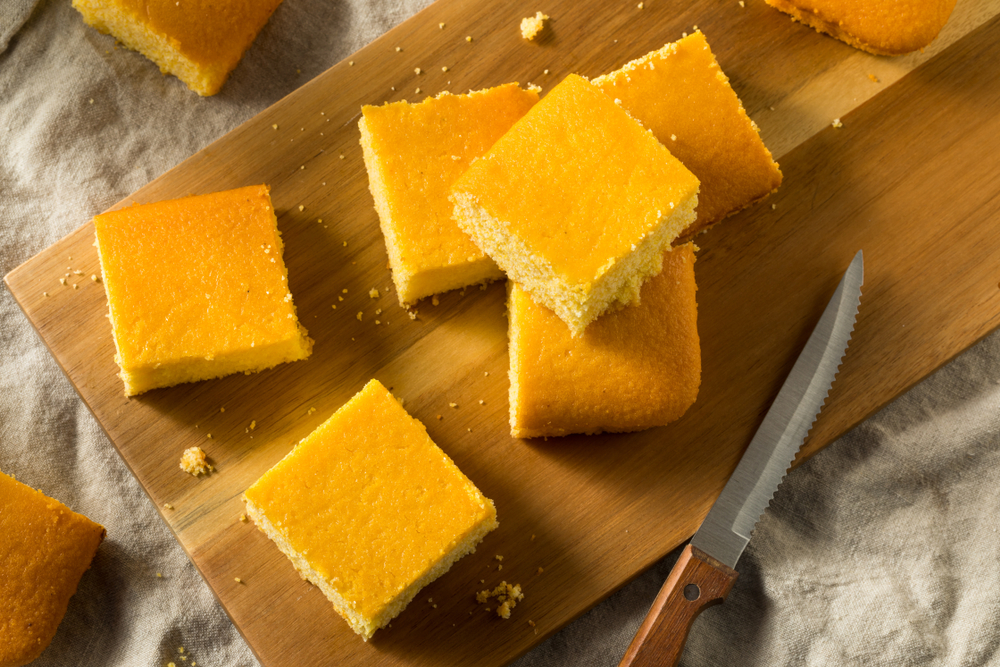
Traditional cornbread isn't the best choice for weight loss because of its high carb content and blood sugar impact, but you can still enjoy it if you're willing to make some smart modifications and watch your portions.
Keep reading to learn exactly what makes cornbread problematic, how it compares to other breads, and the specific changes you can make to fit it into your weight loss plan without derailing your progress.
Cornbread's Nutritional Reality for Weight Loss
Let's start with what you're actually getting in a typical serving.
A standard 60-gram piece of cornbread from a commercial mix packs 160-180 calories, 28-33 grams of carbs, 4 grams of protein, and only 1.5-2 grams of fiber.
That high carbohydrate-to-fiber ratio is where things get tricky for weight loss.
Here's an interesting paradox: when you look at calories per 100 grams, cornbread actually comes in lower than white bread—roughly 96 calories compared to white bread's 238 in some comparisons.
This might make cornbread sound like the winner, but the reality is more complicated.
The way cornbread is typically served means you're getting a denser, more substantial piece that adds up quickly.
Plus, it falls short in two areas that really matter for weight loss: protein and fiber.
The fiber problem is particularly noticeable.
Commercial mixes deliver a mere 1.38 grams of fiber per 60-gram serving, which isn't nearly enough to keep you feeling full.
Compare this to whole wheat bread, which offers significantly more fiber and does a much better job controlling your appetite throughout the day.
When you're trying to lose weight, that difference in satiety can make or break your efforts.
The protein situation isn't much better.
With only 4 grams per serving and less than what you'd find in whole wheat bread, cornbread won't give you that sustained fullness that protein-rich foods provide.
This matters because protein not only helps you feel satisfied but also supports muscle maintenance while you're in a calorie deficit.
Now for the sodium issue: each serving delivers 15-26% of your daily recommended limit.
That's a lot for what's essentially a side dish.
High sodium intake causes water retention and bloating, which can be incredibly frustrating when you're tracking your progress on the scale.
You might be losing fat but not seeing it reflected in the numbers because of excess water weight.
There is some good news, though. Corn naturally contains resistant starch, a type of prebiotic fiber that research shows can reduce appetite and help you feel fuller longer.
This benefit is more pronounced when you choose whole grain cornmeal versions instead of refined ones.
Whole grain options keep you satisfied longer and deliver more nutrients, making them a smarter choice if you're determined to include cornbread in your diet.
The Blood Sugar Problem You Need to Know
Cornbread's glycemic index ranges from 68 to 110 depending on how it's made, placing it solidly in the medium to high category.
What does this mean for your body?
When you eat cornbread, you're setting off a chain reaction that can work directly against your weight loss goals.
The process starts with moderate to significant blood sugar spikes.
Your blood glucose shoots up quickly after eating, which triggers your pancreas to release insulin.
Insulin's job is to shuttle that sugar out of your bloodstream and into your cells, but here's the catch: when insulin levels are elevated, your body shifts into fat storage mode.
You're essentially creating an internal environment that makes burning fat harder and storing it easier.
The real trouble comes next.
That rapid spike doesn't just stay elevated—it crashes.
Your blood sugar plummets, leaving you feeling hungry, irritable, and craving more carbs.
This rollercoaster is exactly what you don't want when you're trying to maintain a calorie deficit.
You end up fighting against your own biology, battling cravings that feel impossible to resist.
Cornmeal itself has a glycemic index of approximately 69, which is actually lower than refined white flour.
That sounds promising until you realize it's still high enough to cause significant blood sugar fluctuations.
The problem gets worse with traditional recipes that combine cornmeal with added sugars and white flour.
These ingredients amplify the glycemic effect, pushing your blood sugar even higher and making the subsequent crash more severe.
Think about what this means in practical terms: you eat a piece of cornbread with lunch, feel satisfied for maybe an hour, then find yourself raiding the pantry by mid-afternoon.
That's not a willpower issue—it's your blood sugar talking.
This cycle of spikes and crashes creates a pattern of eating that makes consistent calorie control nearly impossible, which is why cornbread can be such a sneaky obstacle to weight loss even when you think you're staying within your calorie goals.
How Cornbread Stacks Up Against Other Breads
When you put cornbread head-to-head with white bread, the calorie count looks appealing at first glance.
Cornbread has fewer calories per 100 grams in some comparisons, which might make you think it's the smarter option.
But this surface-level comparison misses what really matters for weight loss: how the bread affects your hunger and blood sugar over the next few hours.
Whole wheat bread beats cornbread in almost every category that counts.
It delivers significantly more protein and fiber, which translates directly into better appetite control.
That extra fiber keeps you feeling full longer, meaning you're less likely to snack between meals or overeat at your next sitting.
The improved blood sugar management is another major advantage—whole wheat doesn't send your glucose on the same wild ride that cornbread does, so you avoid those energy crashes and carb cravings that derail your eating plan.
Here's the bottom line: cornbread simply can't compete with the satiety power of protein-rich or high-fiber bread alternatives.
You might enjoy the taste more, but you'll pay for it with hunger pangs that show up an hour or two later.
If you're serious about weight loss, consider these better options:
- 100% whole grain bread – Delivers the fiber and nutrients you need with better portion control
- Sourdough – The fermentation process lowers its glycemic index, giving you steadier blood sugar
- Sprouted grain bread – Offers enhanced nutrient absorption and more complete protein
- High-fiber, high-protein commercial breads – Specifically designed for weight management, often packing 5-6 grams of fiber and protein per slice
Each of these alternatives gives you more staying power between meals, which is what actually matters when you're trying to maintain a calorie deficit day after day.
You're not just choosing bread—you're choosing how hungry you'll feel an hour from now.
Making Cornbread Work for Weight Loss
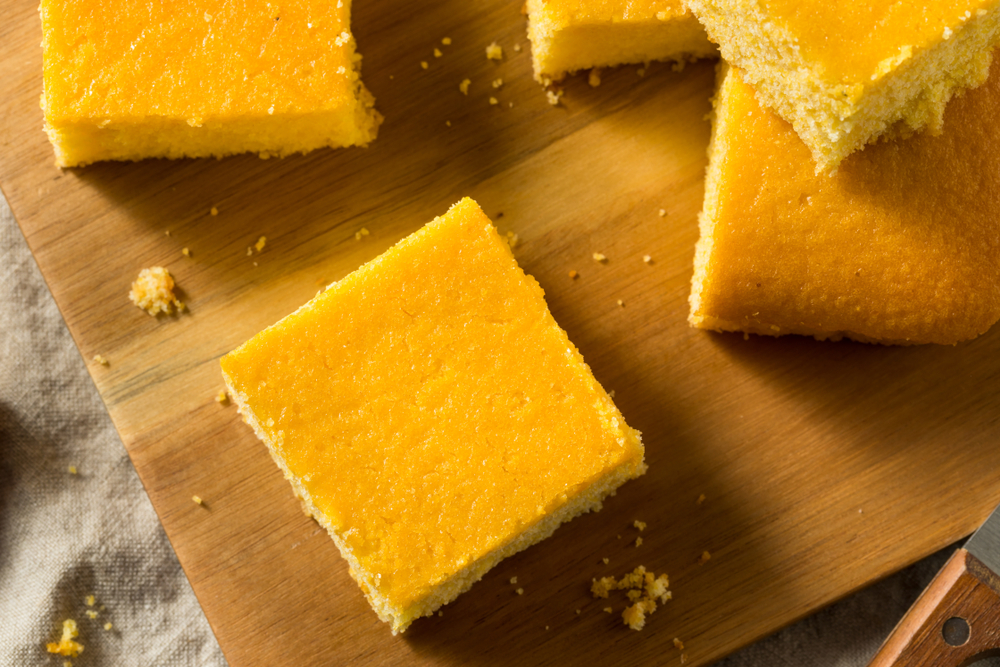
If you're not ready to give up cornbread entirely, you can transform it into something much more weight-loss friendly.
The right modifications can drop each serving from 170-180 calories down to 100-135 calories while dramatically improving the fiber and protein ratios.
Here's how to make it happen.
Start with the flour. Swap out all-purpose flour for whole wheat pastry flour or white whole wheat flour.
This simple change boosts fiber content without turning your cornbread into a dense brick.
If you want to take it further, try almond flour or a combination of almond and coconut flour.
These alternatives slash the carb count while adding protein and healthy fats that keep you satisfied longer.
The fat content is where you can make the biggest calorie cuts.
Traditional recipes call for a half cup of butter or oil, but you can replace it with unsweetened applesauce or Greek yogurt and still get moist, tender cornbread.
Some recipes work perfectly with just 1 tablespoon of fat instead of 8, cutting hundreds of calories without sacrificing texture.
Sugar is another easy target.
Most cornbread recipes dump in a quarter to half cup of refined sugar when you really only need 1-2 tablespoons of honey or maple syrup to get that subtle sweetness.
If you want to eliminate sugar calories completely, stevia works well in cornbread recipes.
Many people don't realize how much unnecessary sugar they're eating until they try reducing it and discover the cornbread tastes just as good.
Add a protein boost to make your cornbread more filling.
Toss in an extra egg white or a scoop of unflavored protein powder.
This increases the protein content, which does double duty: it enhances satiety so you feel full longer, and it supports muscle maintenance while you're losing weight.
Most people underestimate how much of a difference even a few extra grams of protein can make in controlling hunger.
Your cornmeal choice matters more than you might think.
Whole grain or stone-ground cornmeal delivers maximum fiber and nutrients compared to the refined varieties found in most commercial mixes.
The texture is slightly coarser, but the nutritional payoff is worth it.
When you put all these modifications together, you end up with cornbread that actually supports your weight loss goals instead of fighting against them.
The improved fiber slows digestion, the added protein keeps you satisfied, and the reduced calories give you room to enjoy it without guilt.
Smart Portion Control and Timing Strategies
Even if you've transformed your cornbread recipe into something nutritionally sound, portion control remains the make-or-break factor.
A single small piece—think a 2-inch square—should be your absolute limit.
This isn't about deprivation; it's about acknowledging that even healthier cornbread still packs enough carbs to impact your calorie budget.
Here's a practical trick that works: the moment your cornbread comes out of the oven, cut it into individual portions and freeze what you won't eat immediately.
This removes temptation from your kitchen and forces you to be intentional about when you want a piece.
You can't mindlessly grab a second serving when it requires defrosting.
How you eat cornbread matters as much as the portion size.
Never eat it as a standalone snack. Instead, make it part of a complete meal where it's accompanied by protein sources like lean chicken, turkey chili, or beans.
Add high-fiber vegetables to your plate—think roasted broccoli, a big salad, or sautéed greens.
This combination slows down digestion significantly and buffers the blood sugar spike that cornbread would otherwise cause on its own.
The protein and vegetables work together to provide sustained energy rather than that quick hit followed by a crash.
When cornbread sits in your stomach alongside chicken and vegetables, your body processes everything more gradually.
You stay fuller longer, your blood sugar remains steadier, and you're less likely to raid the kitchen an hour later.
Timing can also work in your favor.
Post-workout consumption might be your best bet because your body is primed to shuttle those carbohydrates into muscle glycogen replenishment rather than fat storage.
Your muscles are essentially hungry for fuel after exercise, which means the carbs from cornbread get used more efficiently.
Morning consumption is another strategic option. Insulin sensitivity tends to be higher earlier in the day, which means your body handles carbohydrates more effectively at breakfast than at dinner.
If you're going to have cornbread, pairing it with eggs and vegetables at breakfast gives you the best metabolic advantage.
Who Should Skip Cornbread (And Better Alternatives)
Some people need to be particularly careful with cornbread, regardless of how it's prepared.
If you have diabetes or insulin resistance, that glycemic impact we discussed earlier isn't just inconvenient—it's a real problem.
Traditional cornbread can send your blood sugar into territory that makes managing your condition harder and potentially interferes with your weight loss efforts in ways that go beyond simple calorie counting.
Those following low-carb or ketogenic diets will find standard cornbread completely incompatible with their macros.
Even a small piece will likely kick you out of ketosis. Low-carb almond flour versions do exist if you're determined to have something cornbread-like, but they're fundamentally different products with their own texture and taste profile.
High sodium sensitivity or hypertension creates another complication.
Commercial cornbread and many recipes pack enough sodium per serving to impact your blood pressure and cause water retention.
If this applies to you, making homemade versions where you control the salt content is your only viable option.
Here's the practical reality for everyone else: treat cornbread as an occasional side dish, not a dietary staple. This isn't a food to build your weight loss diet around.
When you do have it, stick with homemade versions using whole grain cornmeal, minimal sugar, reduced fat, and increased fiber.
Think of cornbread as a “yellow light” food—acceptable in moderation with the right modifications, but something you approach thoughtfully rather than freely.
The alternatives we covered earlier—100% whole grain bread, sourdough, sprouted grain bread, and high-fiber, high-protein commercial options—will serve your weight loss goals much better on a daily basis.
They give you better satiety, steadier energy, and more nutritional value per calorie.
Save cornbread for occasions when you genuinely want it and can afford the calories and carbs in your daily budget, rather than making it a regular part of your routine.
That approach lets you enjoy it without letting it sabotage your progress.
Conclusion
Cornbread can fit into your weight loss plan, but it requires intentional modifications and smart portion control to make it work.
Focus on improving the recipe with whole grain cornmeal, reduced sugar and fat, and added protein, then limit yourself to one small piece as part of a balanced meal with protein and vegetables.
If you're eating cornbread more than occasionally, you're probably making your weight loss journey harder than it needs to be—save it for times when you really want it and choose better bread alternatives for your everyday meals.