Stevia can help with weight loss, but only when it actually replaces sugar in your diet — not when it's just added on top of what you're already eating, and not in amounts that will transform your results overnight.
Keep reading to see what the research really shows, how much weight loss you can realistically expect, and what to watch out for in the stevia products most people are actually buying.
What Stevia Actually Does in Your Body
Stevia's calorie count is zero — and that's not a marketing claim, it's a matter of basic biology. The sweet compounds in stevia, called steviol glycosides, pass through your upper digestive tract completely intact. Your body doesn't absorb them, so they contribute no calories whatsoever.
When they reach your colon, gut bacteria break them down, and the byproduct — steviol — gets processed by the liver and flushed out through urine. That's it. Nothing stored, nothing metabolized for energy.
This is also why high-purity stevia extract (at least 95% pure) holds GRAS status from the FDA — meaning it's generally recognized as safe. Both JECFA and EFSA, two of the world's leading food safety bodies, have set the acceptable daily intake at 4 mg per kilogram of body weight per day. For a 150-lb adult, that works out to roughly 40 individual packets a day — a threshold that's nearly impossible to hit through normal use.
The practical takeaway: if you're using pure stevia in reasonable amounts, safety isn't really the concern. What matters far more — for weight loss purposes — is how you're using it, which is what the next section gets into.
What the Research Says About Weight Loss
The single most important thing to understand about stevia research is that how a study is designed almost entirely determines what it finds.
When researchers give people stevia on top of their normal diet, weight loss is essentially nonexistent — a 2019 meta-analysis covering nine randomized controlled trials found no significant effect on body weight or BMI. But when studies are designed around substitution — swapping sugar out and stevia in — the results shift noticeably.
A 2016 meta-analysis of long-term randomized trials found that replacing sugar with non-sugar sweeteners reduced body weight by 1.35 kg compared to sugar, with a net daily calorie reduction of around 94 kcal.
A more recent 2025 meta-analysis of 19 trials put the average weight effect at −0.79 kg overall, climbing to −1.56 kg in people with diabetes. Those aren't dramatic numbers, but they're consistent and they point in the same direction.
One 12-week double-blind trial illustrates the difference particularly well. Stevia users ended the study having barely moved the scale (−0.22 kg), while the control group gained close to a kilogram — a meaningful gap driven almost entirely by lower calorie intake in the stevia group, not by any metabolic effect.
What you should realistically expect: 1 to 2 kg of weight loss over three to six months, and only if stevia is genuinely displacing sugar calories rather than being added alongside them. Think of it less as a weight-loss intervention and more as a calorie-reduction tool — one that works when used with that intention.
Stevia's Effect on Blood Sugar and Insulin
Stevia's impact on blood sugar is where the evidence gets more concrete. A 2024 meta-analysis pulling from 26 studies found that stevia reduced fasting glucose by 3.84 mg/dL, with stronger effects in people who had higher BMI, diabetes, or hypertension. That's a modest but real signal — and it holds up across multiple study designs.
The acute effects are even more striking. In one well-cited trial, just one gram of stevioside cut the post-meal glucose spike by 18% and raised the insulinogenic index by 40% in people with type 2 diabetes — suggesting the pancreas was working more efficiently, not just less hard.
A separate crossover trial found that stevia preloads produced lower post-meal insulin levels than both aspartame and sucrose, which is a notable finding given that most non-nutritive sweeteners don't outperform aspartame on insulin response.
That said, there's an important ceiling on what stevia can do here. When you look at long-term pooled trial data, neither HbA1c nor fasting insulin shifts in any clinically meaningful way.
What this tells you is that stevia influences acute glucose and insulin responses — the spikes that follow a meal — but it doesn't recalibrate your metabolic baseline over time. It's not a glycemic medication and shouldn't be treated like one.
The American Diabetes Association's 2025 Standards of Care reflects this balanced view: non-nutritive sweeteners like stevia can reasonably replace sugar to reduce overall calorie and carbohydrate intake, but the emphasis is on replacement, not on any independent therapeutic effect. For people managing blood sugar, that distinction matters.
Does Stevia Make You Overeat Later?
The most common criticism of stevia — and non-nutritive sweeteners generally — is that people unconsciously make up for the saved calories by eating more later. It's a reasonable concern in theory. In controlled research settings, though, it largely doesn't hold up.
In one crossover trial, stevia users ended the day consuming 301 fewer calories than sugar users, with no measurable difference in hunger or satiety ratings.
A separate study found that a small stevia preload saved 240 calories compared to an equivalent amount of sugar, and follow-up meal intake was statistically identical between groups.
A 2025 meta-analysis examining appetite specifically found no significant effect on hunger scores, and no meaningful changes in ghrelin, GLP-1, or amylin — the hormones most directly tied to appetite regulation.
So where does the compensatory eating narrative come from? Largely from large observational cohort studies. One widely cited meta-analysis tracking over 400,000 people found that long-term users of non-nutritive sweeteners actually tended to gain weight.
But this almost certainly reflects reverse causation — people who are already gaining weight or developing metabolic issues are the ones most likely to start reaching for diet products in the first place. The sweetener didn't cause the weight gain; the weight gain preceded the sweetener.
That said, one distinction is worth keeping in mind: controlled labs are not your kitchen. The “I had a diet soda so I deserve dessert” effect is a real behavioral pattern in everyday life, even if it doesn't show up under tightly managed study conditions. Stevia won't trigger overeating physiologically, but it won't stop you from rationalizing it either. That part is still on you.
The Hidden Risk in Most Stevia Products
Here's something most stevia articles skip over: the risks associated with stevia are rarely about stevia itself. They're about what's mixed with it.
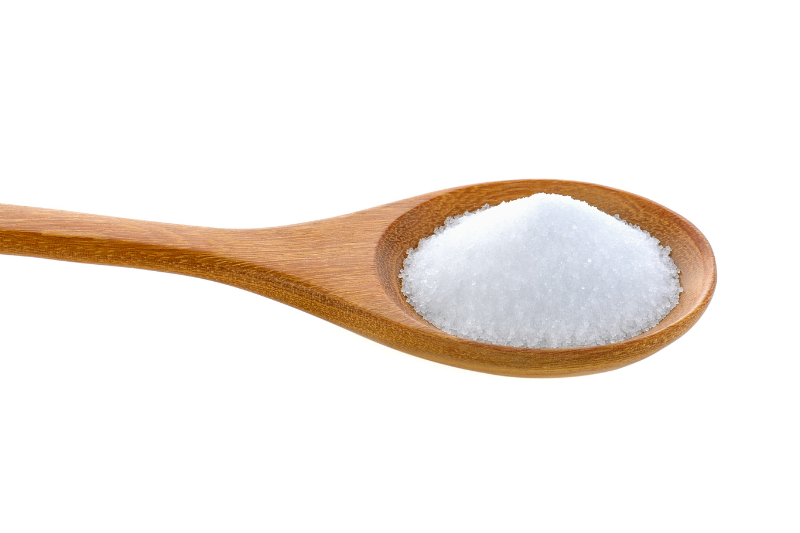
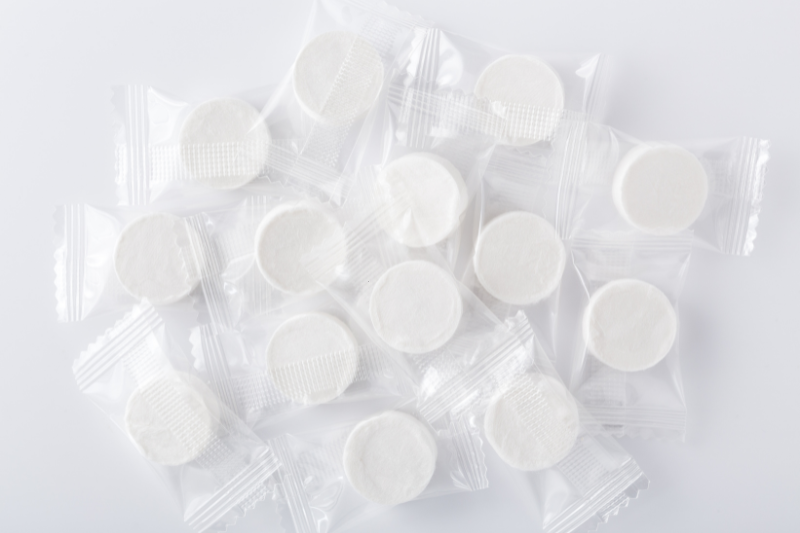
Pure steviol glycosides are 200 to 400 times sweeter than sugar, which means even a small amount would be impossibly difficult to measure for everyday use. So retail products cut it with bulking agents to make it spoonable and practical. The problem is what those bulking agents actually are.
- Truvia, Pyure, and most spoonable blends are predominantly erythritol — a sugar alcohol that a 2023 study in Nature Medicine linked to serious cardiovascular risk. The study tracked over 4,000 people and found that those with the highest erythritol blood levels had roughly double the risk of heart attack, stroke, or death. Follow-up mechanistic work showed erythritol increases platelet aggregation, meaning it may promote the kind of clotting that leads to those events.
- Stevia In The Raw takes a different approach — using dextrose or maltodextrin as its filler. Maltodextrin actually carries a higher glycemic index than glucose itself, which matters if you're using stevia specifically to manage blood sugar.
The labeling situation makes this harder to navigate than it should be. FDA rules allow “zero calorie” claims on anything under 5 kcal per serving, so the hidden calories in these fillers are technically legal to omit. In baking, where you're using multiple servings at once, those calories add up in ways the label won't tell you.
The straightforward fix, recommended by Cleveland Clinic cardiologists, is to use liquid stevia drops instead of packets — drops are typically pure extract with no fillers at all.
One more point worth addressing: the WHO issued a conditional guideline in May 2023 advising against using stevia specifically for weight control. It sounds alarming, but context matters.
The recommendation was rated as low-certainty and drew heavily from the same observational cohort data discussed in the previous section — the kind most vulnerable to reverse causation.
Harvard nutrition researchers and the American Diabetes Association both pushed back, arguing the guideline underweighted substitution-based trial data. It's a legitimate debate, but the WHO's position is not the settled scientific consensus it's sometimes presented as.
How to Use Stevia If You're Trying to Lose Weight
The biggest calorie wins with stevia come from beverages. Sweetened sodas, coffee drinks, teas, and sports drinks are where most people's hidden sugar intake lives, and swapping those out is where substitution is cleanest and the calorie math is most straightforward. That's where to start.
Beyond that, think of stevia as a transitional tool rather than a permanent fixture. The longer-term goal isn't to drink stevia-sweetened everything forever — it's to gradually dial back your overall preference for sweetness, with water and unsweetened drinks becoming your actual default. Stevia can help you get there without going cold turkey on everything sweet at once.
What to buy — and what to avoid:
- Best options: Pure liquid drops or single-ingredient powdered extracts, specifically those using Reb A or Reb M glycosides. These are clean, well-studied, and free of problematic fillers.
- Avoid: Blends containing erythritol if you have any cardiovascular risk factors, and blends with dextrose or maltodextrin if blood sugar management is a concern — which, if you're reading this article, it probably is.
- Avoid entirely: Whole-leaf and crude stevia extracts. These are not FDA-approved as safe, and during pregnancy in particular, they should be off the table.
For the practical side, the conversion is simple: one teaspoon of sugar is roughly equivalent to 2–4 drops of liquid stevia or about 1/16 of a teaspoon of pure powdered extract.
A few groups should check with a doctor before using stevia regularly:
- People taking antihypertensive or antidiabetic medications, as stevia can have additive lowering effects on both blood pressure and glucose
- Anyone on lithium, since stevia has a mild diuretic effect that may affect how the drug clears your system
- People with allergies to the Asteraceae plant family
- IBS sufferers, particularly with sugar-alcohol-based blends
- Children under age 2, for whom the Dietary Guidelines for Americans recommend no non-nutritive sweeteners at all
The registered dietitian framing here is the right one: don't think of stevia as a ticket to weight loss. Think of it as a practical tool for cutting added sugar — and cutting added sugar is the actual goal.
Conclusion
Stevia is a genuinely useful tool for cutting sugar calories, but the results are modest — roughly 1 to 2 kg over several months — and only when it's actually replacing sugar rather than riding alongside it.
The bigger concern for most people isn't stevia itself but the erythritol and other fillers packed into the retail blends that most people are actually using.
Stick to pure liquid drops, use stevia to replace sweetened beverages first, and treat it as a stepping stone away from sugar — not a solution in itself.